
simulation software services The demand for clean and renewable energy is growing across the world. Among renewable sources, wind energy plays a
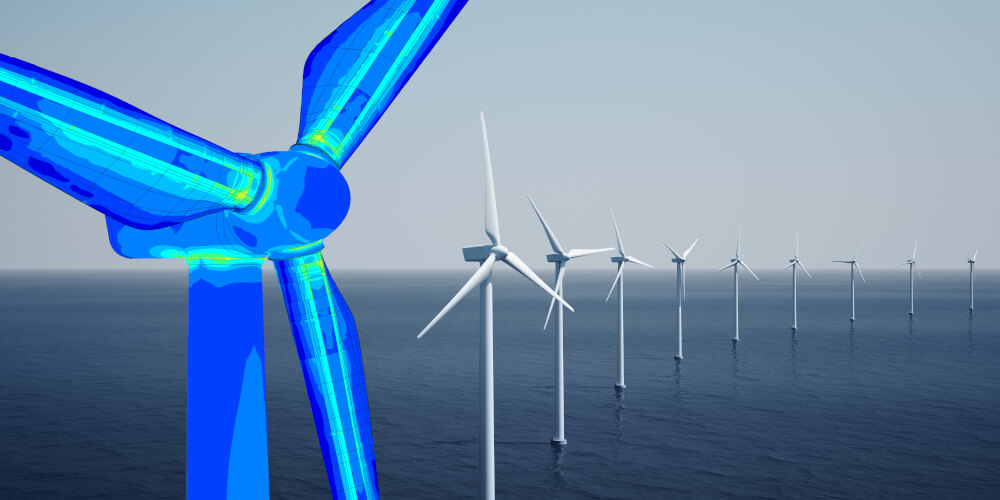
The demand for clean and renewable energy is growing across the world. Among renewable sources, wind energy plays a key role in meeting global energy goals. However, designing and maintaining wind turbines that perform efficiently under changing weather and load conditions remains a major challenge. This is where simulation software services make a difference. These tools allow engineers to test, predict, and improve turbine designs without depending solely on costly prototypes or field trials.
This blog explains how simulation technologies help improve wind turbine performance, reduce design risks, and support sustainable energy goals. It explores the use of engineering simulation tools, computational fluid dynamics software, and digital twin technology to build better and more efficient wind turbines.
Wind turbines operate under complex aerodynamic and structural conditions. Factors such as wind speed, air pressure, and turbulence can affect power generation. Physical testing for each scenario is expensive and time-consuming.
Simulation for the energy industry helps engineers analyze performance before building physical prototypes. With a simulation-based approach to enhance wind power performance, engineers can predict how turbines behave under different conditions, make data-driven improvements, and ensure higher energy output.
By using renewable energy simulation, teams can identify areas where efficiency can be improved, such as blade design, tower strength, and gearbox reliability. This reduces overall design time and development cost.
How simulation software services improve wind turbine design lies in their ability to integrate multiple physics analyses—such as fluid flow, structural mechanics, and thermal behavior—into one digital environment.
The aerodynamic performance of turbine blades determines how much energy is captured from the wind. Using computational fluid dynamics software, engineers can simulate air flow around blades and optimize their shape for better lift and reduced drag. This process improves power generation efficiency without adding to production costs.
Wind turbines face fatigue due to high-speed rotation and environmental stress. Simulation tools perform structural integrity testing to identify weak points in the structure. Engineers can then adjust material thickness, shape, and internal support to extend the turbine’s lifespan.
Components like bearings and gearboxes generate heat under continuous operation. Engineering simulation tools analyze thermal behavior to prevent overheating and mechanical failures. This leads to reduced downtime and lower maintenance costs.
With energy system modeling, teams can study how turbines interact with electrical grids and predict overall energy efficiency. Simulation enables the evaluation of system-level performance without physical trials.
Blades are the most critical components of a wind turbine. Their shape, angle, and material directly impact energy capture. Improving blade design accuracy with engineering simulations helps optimize blade geometry for maximum efficiency.
Through turbine blade design analysis, engineers can simulate the interaction between air flow and blade structure. Fluid flow simulation models the effect of turbulence and changing wind direction. These insights lead to better aerodynamic performance and reduced noise levels.
With virtual prototyping solutions, multiple design iterations can be tested digitally. This reduces the need for physical models and shortens the product development cycle. The result is faster innovation and more cost-effective wind turbine designs.

Digital twin technology is revolutionizing how wind turbines are designed, tested, and maintained. A digital twin is a virtual copy of a physical turbine that continuously receives real-time data from sensors installed on the actual equipment.
By combining simulation software services with digital twins, engineers can predict performance under real-world conditions. This allows early detection of wear, misalignment, or structural stress before failures occur.
How digital simulation helps in predicting turbine behavior under load becomes crucial in preventing downtime. For example, engineers can simulate how the turbine responds to high wind gusts or temperature fluctuations. This proactive approach improves reliability and extends the turbine’s operational life.
Adopting simulation software services provides several key benefits for renewable energy development.
Using the best simulation tools for optimizing wind turbine efficiency, teams can create optimized designs faster and with fewer physical tests.
Using simulation software services to reduce turbine maintenance costs is one of the most practical advantages. Predictive maintenance models help identify issues early, saving time and money on repairs.
Through wind turbine performance analysis, engineers can evaluate power curves, rotor speeds, and torque performance. This leads to higher power generation efficiency and improved profitability.
With renewable energy simulation, manufacturers can assess the environmental benefits of design improvements. By reducing material waste and optimizing performance, turbines operate longer and generate more clean energy.
Simulation also supports training and academic research. Students and researchers can explore simulation-based approaches to enhance wind power performance without requiring expensive lab setups. This contributes to future innovation in the renewable sector.
Many leading energy companies now rely on simulation software services to improve turbine performance. By combining aerodynamic simulation and energy system modeling, engineers can analyze entire wind farms virtually before construction.
For instance, simulation helps determine ideal turbine placement to minimize wake effects—the turbulence created by upstream turbines that reduces downstream energy output. By simulating these interactions, engineers can position turbines for maximum efficiency and consistent power delivery.
Additionally, integrating computational fluid dynamics software with digital twin technology enables real-time monitoring and adjustments. If one turbine shows performance drop, the system predicts potential causes such as blade erosion or imbalance, allowing corrective actions before failure.
As renewable energy becomes central to global sustainability, simulation for the energy industry plays an even bigger role. Advanced engineering simulation tools are evolving to include machine learning and AI-based optimization. These systems automatically test multiple design variations and recommend the most efficient configurations.
By applying virtual prototyping solutions, companies can evaluate thousands of designs in a fraction of the time needed for physical testing. This capability accelerates innovation, supports faster commercialization, and helps achieve cleaner energy production.
Moreover, energy system modeling ensures that future turbine technologies integrate smoothly with smart grids and storage systems. This makes renewable power generation more stable and cost-effective.
The next generation of simulation tools will continue to bridge the gap between physical and digital design. As data collection from operational turbines increases, simulations will become more accurate and predictive.
The focus will shift from design optimization to full lifecycle management. Engineers will use digital twins not just for design testing but also for performance monitoring, fault prediction, and maintenance scheduling.
Furthermore, collaboration between industry and academia will strengthen as educational institutions adopt simulation in research and learning. This will build a stronger workforce skilled in simulation-driven engineering, supporting innovation in renewable energy technologies.
Wind energy remains one of the most promising paths toward a sustainable future. However, achieving maximum efficiency requires a scientific and data-driven approach. Simulation software services provide the foundation for this progress. Through aerodynamic simulation, virtual prototyping solutions, and digital twin technology, engineers can design smarter, safer, and more efficient turbines that deliver long-term performance.
By adopting these tools, energy companies can reduce costs, improve reliability, and contribute to cleaner power generation. As renewable energy continues to grow, simulation-driven design will remain central to innovation and success.
Corengg Technologies supports organizations in adopting advanced simulation tools to optimize wind turbine performance and drive energy efficiency.

ANSYS Sherlock PCB reliability Defense electronics must survive extreme environments.
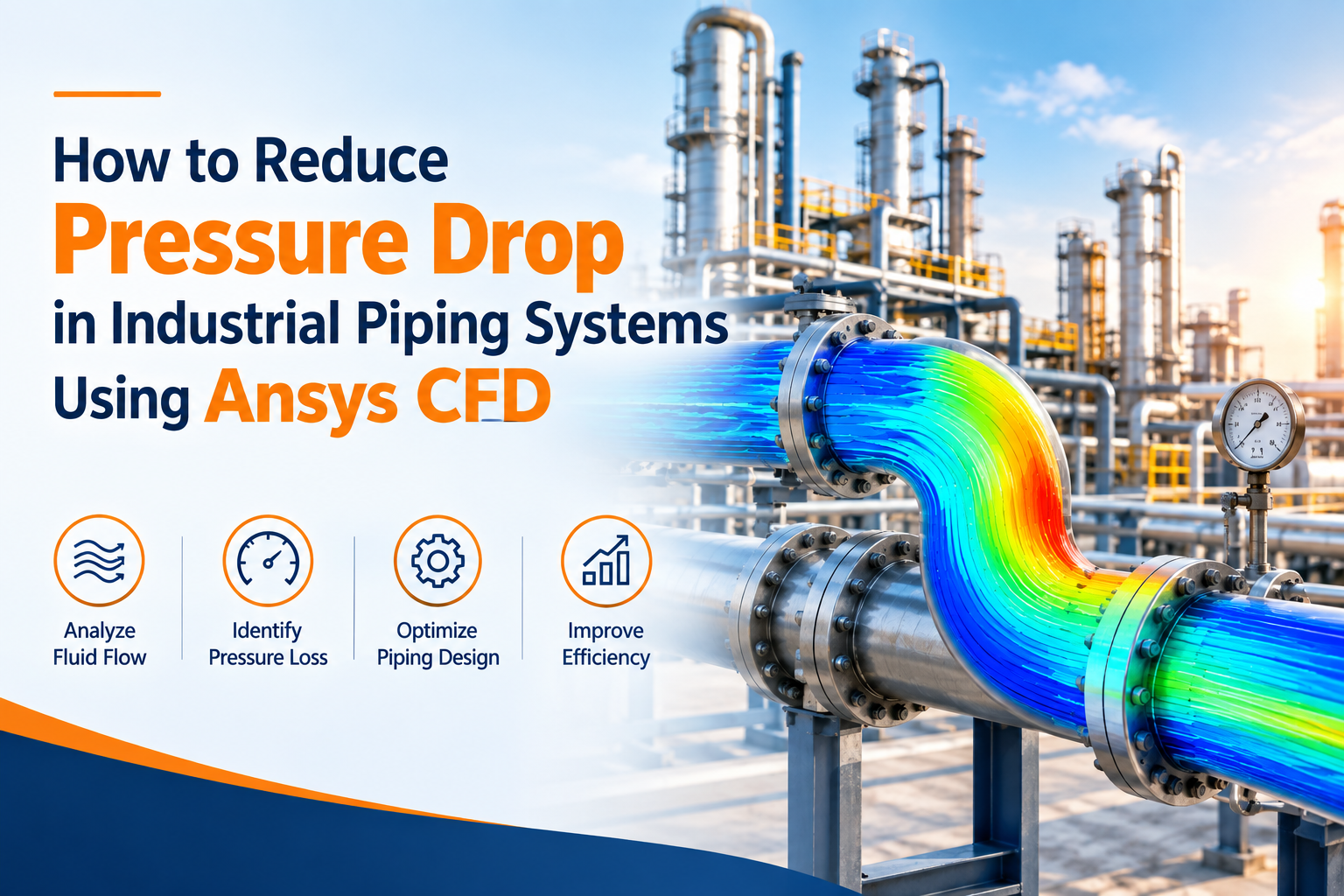
How CFD Simulation Software Cuts Pressure Drop in Pipes |

Choosing the right ANSYS Partner in India is important for

Buy Ansys software Product design today must be fast, accurate,
Ansys CFD Convergence is a common issue in Computational Fluid