
Dental 3D Printer
The field of dentistry is changing at a rapid pace. New technologies are making dental care better and faster for everyone. One of the biggest changes is happening with the introduction of 3D printing. A dental 3D printer is completely changing how dentists and dental labs work. They are creating custom dental products with greater accuracy and speed than ever before. This is not a futuristic concept anymore. 3D printing is a major part of modern dentistry today.
The Basics of 3D Printing in Dentistry
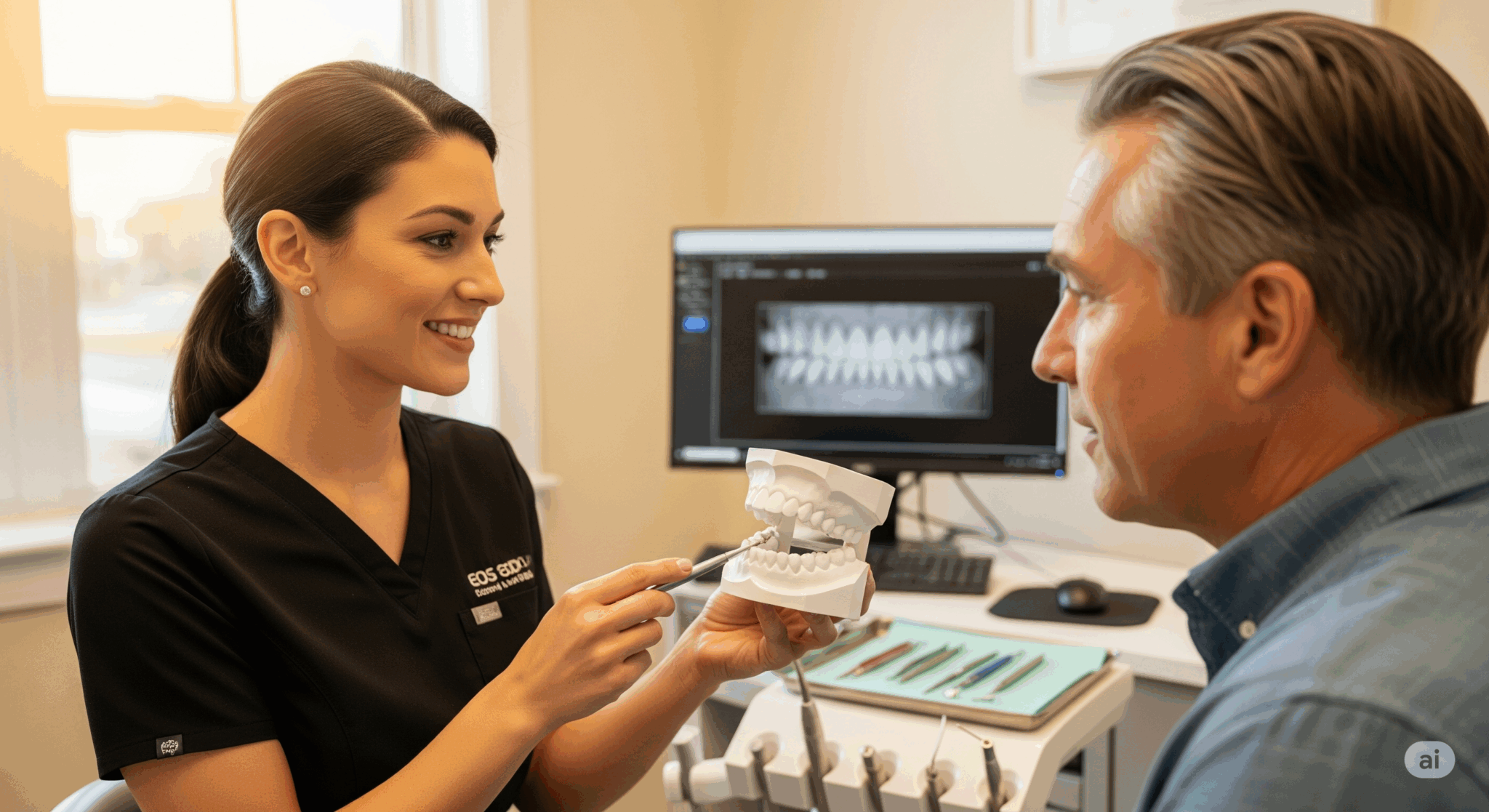
To understand the benefits, you must first understand the process. Dental 3D printing is a digital workflow. It starts with a digital scan of a patient’s teeth. Dentists often use a special scanner that takes pictures inside the mouth. This creates a detailed 3D model on a computer screen. This is a big improvement over old methods using gooey materials to make impressions. The digital model is then sent to a computer program for design. These are often called Dental CAD/CAM solutions. This software lets dental professionals design a huge variety of products. They can create things like crowns, bridges, and orthodontic aligners.
Once the design is ready, the 3D printing machine takes over. These machines build a physical object layer by layer. They use special materials like resin. Resin-based dental printing is a common method for creating these dental products. The printer builds the object based on the digital design. This process is very precise. It ensures a perfect fit for the patient. After printing, the object goes through a cleaning and curing process. This makes it strong and ready for use.
How 3D Printing Transforms Patient Care
The impact of this technology is huge. It has improved many aspects of dental care. Patients now experience less discomfort and shorter waiting times. The final products are also more accurate and comfortable.
Faster Turnaround Times
In the past, making a crown or a denture was a slow process. It involved many manual steps. The dentist took an impression and sent it to a lab. The lab then made the product and shipped it back. This whole process could take weeks. With 3D printing, many dental practices can now create products in-house. This allows for same-day treatments. A patient can come in for a scan and leave with their finished product hours later. This is especially helpful for things like surgical guides or temporary crowns. It makes a big difference in a patient’s overall experience.
Increased Accuracy and Comfort
Traditional impressions can sometimes be uncomfortable for patients. They can also lead to inaccuracies. The material might not capture every detail perfectly. Digital scanners are much more comfortable. They are also incredibly precise. The digital file captures the exact shape of a patient’s mouth. This leads to 3D printed dental models and other products that fit perfectly. A better fit means less time for adjustments. It also means more comfort for the patient in the long run.
Customization and Versatility
3D printing allows for high levels of customization. Every patient’s mouth is unique. The digital workflow makes it easy to create a product that is perfect for that specific person. A dental 3D printer can create many different kinds of products. It can make everything from simple models for study to complex dental prosthetics. This versatility is a major advantage. It allows dental professionals to offer a wider range of services to their patients.
A Look at Specific Applications
Let’s explore some specific ways this technology is used.
Orthodontic 3D Printing
Orthodontics is a field that has greatly benefited from 3D printing. Dentists use this technology to create custom aligners. They also make models for retainers and other devices. These 3D printed products are often more comfortable and effective than traditional ones. The precision of the 3D printed models ensures that the aligners fit snugly. This helps to move teeth more effectively. The process is also much faster. This means patients get their aligners sooner and their treatment moves along more quickly.
Surgical Guides
When a dentist needs to place a dental implant, precision is critical. A surgical guide is a tool that helps the dentist place the implant in the exact right spot. These guides are now 3D printed with extreme accuracy. This leads to better surgical outcomes. It reduces the risk of complications. It also makes the surgery faster and safer for the patient. The use of biocompatible dental resin is crucial here. This ensures the material is safe to use inside the mouth during a surgical procedure.
Dental Prosthetics
From dentures to crowns, 3D printing is changing how dental prosthetics are made. The technology allows for the creation of very realistic and durable prosthetics. The designs can match the patient’s existing teeth perfectly. This makes the final product look and feel natural. The speed of production also means patients can receive their new prosthetics much faster.
Choosing the Right Technology: The Formlabs Form 3B
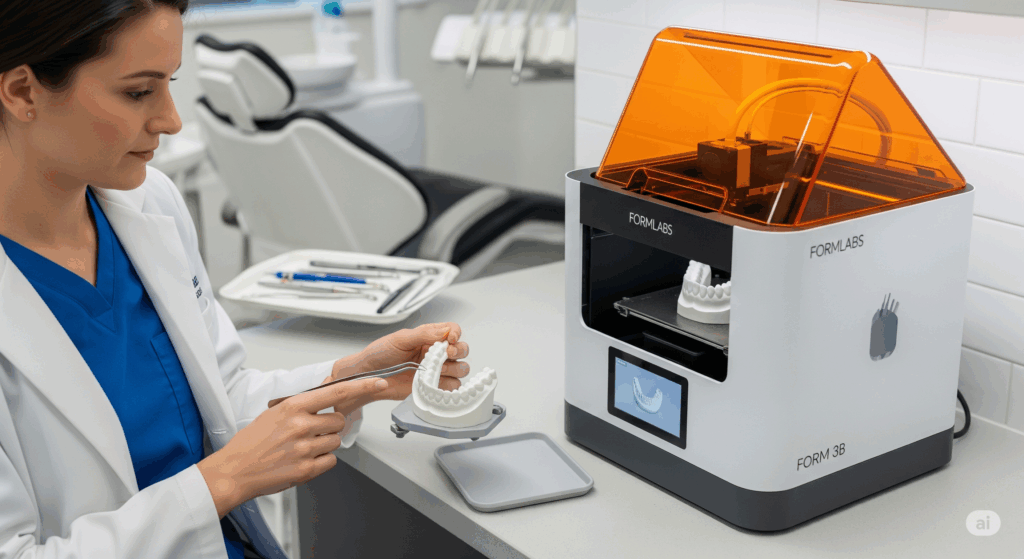
With so many options available, a dental professional must choose the right tools. A Formlabs printer for dentistry is a popular and effective choice. Companies like Formlabs have made 3D printing accessible for dental clinics and labs. They create printers that are reliable and easy to use.
The Formlabs Form 3B is one such printer. It is specifically designed for dental applications. It uses a technology called Low Force Stereolithography (LFS). This technology uses a flexible resin tank to reduce the force on printed layers. This results in incredibly accurate and smooth prints. The Formlabs Form 3B is a great option for a dental clinic or lab. It offers a balance of speed, precision, and affordability.
The cost of a Formlabs dental 3D printer in India varies. It depends on the specific model and any included accessories. However, it is an investment that can pay for itself quickly. The printer helps dental professionals save on lab fees and material costs. It also allows them to increase their patient capacity.
Boosting Dental Lab Productivity
A Best dental 3D printer can completely transform a dental lab. Dental lab productivity using Formlabs Form 3B, for example, increases dramatically. Labs can produce more models, crowns, and aligners in less time. The automated process reduces the need for manual labor. Technicians can focus on more complex tasks. This makes the entire workflow more efficient. A 3D printing for dental labs workflow is very streamlined.
A Guide to using Formlabs 3D printers in dental clinics can help a practice get started. These guides walk a user through the entire process. They cover everything from preparing the digital file to post-processing the final product. The software is intuitive. It allows someone with no prior 3D printing experience to learn quickly.
The Future of Digital Dentistry
The use of 3D printing in dentistry will only continue to grow. We will see new materials and even faster machines. The technology will become more affordable and more common. The best 3D printer for dental practice 2025 will likely be even more powerful and user-friendly than today’s models. This will lead to better care and outcomes for patients everywhere.
Conclusion
A dental 3D printing machine is a powerful tool. It is reshaping the dental industry for the better. It is making treatments faster, more accurate, and more comfortable. For dental professionals, it offers a way to increase productivity and offer a wider range of services. This technology benefits both the practitioner and the patient. At Corengg Technologies, we believe in the power of this technology to improve dental care.