
Your Solve Times are Growing Faster Than Your Hardware Budget. Here's the Fix.
Coupled Analysis
Thermal + structural, solved together
Guided Workflow
Fewer inputs, any experience level
Sequence Testing
Compare weld orders before cutting metal
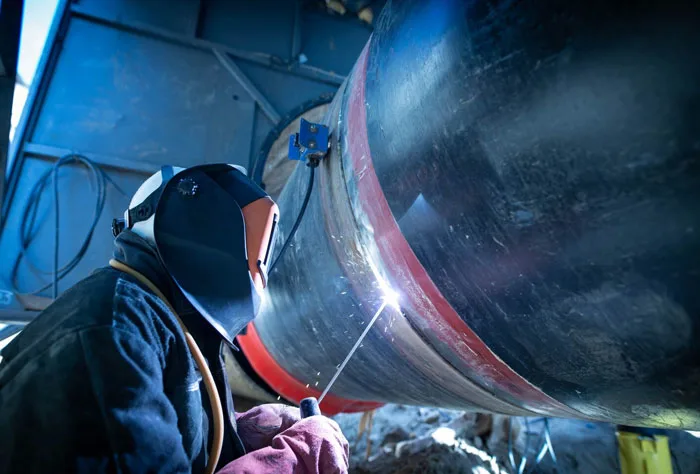
Zero Scrap Welds
Catch distortion risk on screen, not on the floor
- The Cost of Finding Out Too Late
Weld distortion is expensive precisely because it's discovered last
By the time a fabricated assembly is out of tolerance, the welding is already done. Reworking a distorted structure costs far more than adjusting a weld sequence on screen.
Failed Fit-Up
A structure that's warped out of tolerance won't mate with adjoining components, forcing costly on-site correction or scrapping the part entirely.
Cracking Risk
High tensile residual stress left in a joint after welding can seed cracks that only surface after the part is in service.
Repeated Trial Welds
Without simulation, finding a working weld sequence often means welding, measuring, scrapping, and welding again — burning material and shop time.
- The Physics Behind The Prediction
From heat input to final distortion, in one coupled solve
- Thermal
Heat Input
A moving heat source model traces the weld path, replicating the arc's energy and travel speed.
- Metallurgical
Heat-Affected Zone
Temperature-dependent material behaviour captures how the zone around the weld changes as it heats and cools.
- Structural
Residual Stress
As the weld cools and contracts against the surrounding cold material, internal stress builds up in the joint.
- Geometric
Distortion
That locked-in stress translates into the bowing, twisting, or shrinkage seen in the finished structure.
- What The Simulation Actually Does
A guided workflow, not a research project
Reduced Input Requirements
Instead of manually defining every thermal and structural parameter, the guided setup asks for the inputs that matter most — joint geometry, pass sequence, and material — and handles the rest.
Automated Setup Steps
Element activation for filler material, heat source placement along the weld path, and the thermal-to-structural handoff are automated rather than hand-built.
Accessible Regardless of FEA Background
A welding engineer without deep simulation experience can run a meaningful analysis — the workflow doesn't require a dedicated FEA specialist for every study.
Built for Iteration
As a recognized ANSYS Partner in India, we serve enterprises, SMEs, and institutions across India with standardized licensing and support SLAs.
- Where This Matters Most
Built for the industries Corengg serves

Heavy Fabrication
Large structural assemblies where cumulative distortion across many welds compounds quickly.
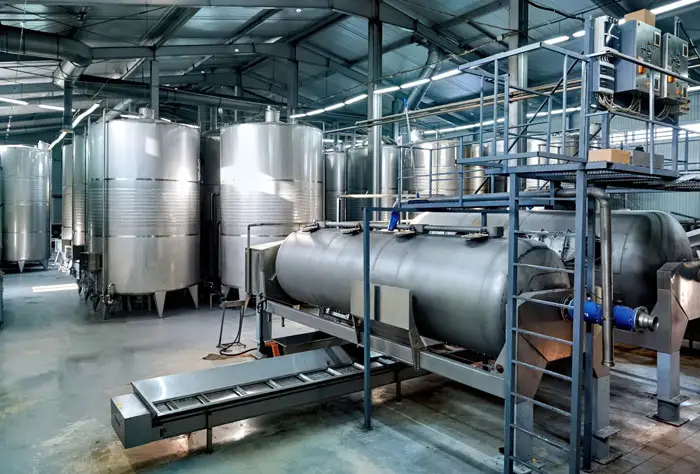
Pressure Vessels
Residual stress directly affects fatigue life and code compliance in pressurized equipment.
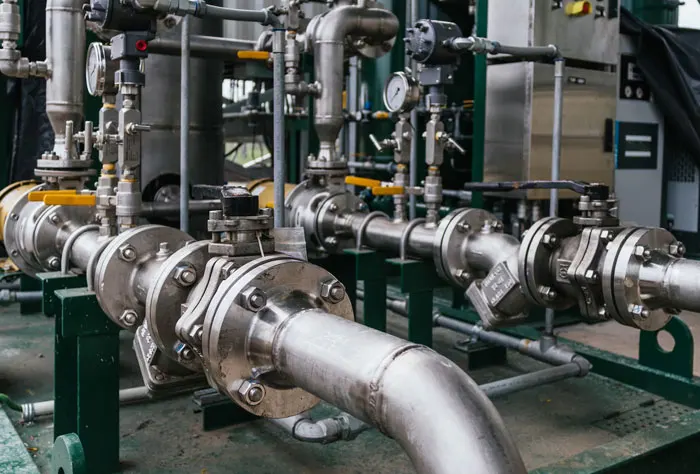
Oil & Gas Piping
Pipeline and skid welding where fit-up tolerance and joint integrity are safety-critical.

Automotive & EV
Chassis and structural welds where dimensional accuracy affects downstream assembly.
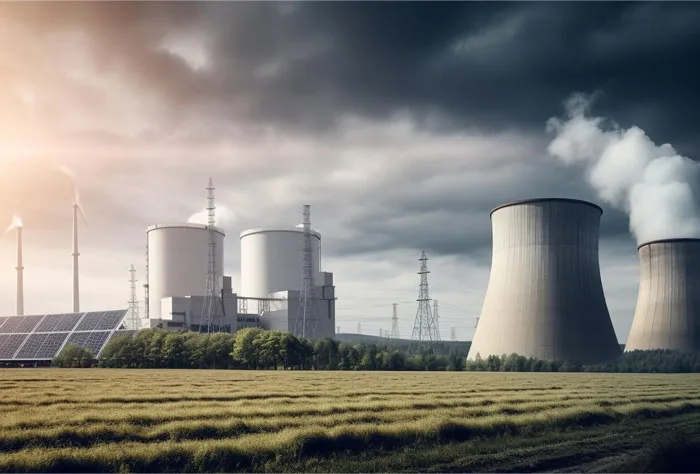
Energy & Power Plant
Large weldments and structural steel where rework means costly project delays.
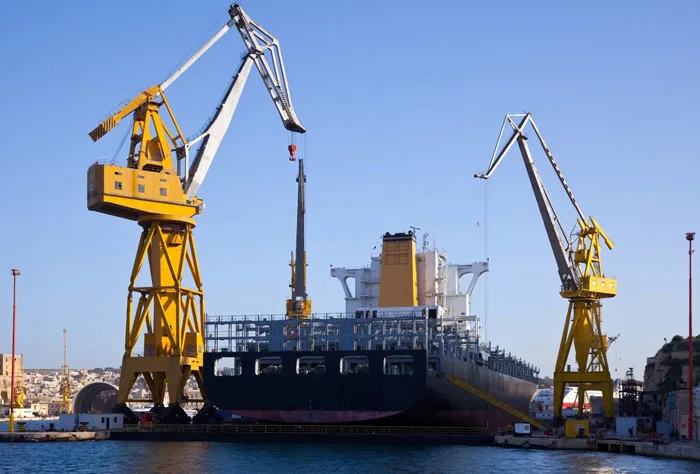
Shipbuilding & Heavy Equipment
Multi-pass, multi-sequence welds on large plate structures prone to compounding distortion.
- How A Study Runs
From joint definition to a validated weld plan
- Whitepaper