
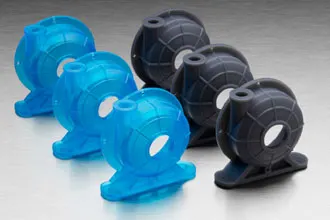
Stop machining what you can print overnight.

Jigs, fixtures, EOAT, and gauges are usually the most-outsourced, most-delayed parts on a factory floor — and often the easiest to bring in-house. Here's how manufacturing teams use the Form 4 to design, print, and deploy their own tooling in hours instead of weeks.

Hours

Not weeks, from design to deployed tool

Zero

Minimum order quantity from any vendor

In-House

Full control of your tooling supply chain

On-Demand

Reprint worn tools the same shift

Machined tooling is expensive precisely because it's tooling

A jig or fixture rarely needs the tolerances of the part it’s holding. Yet most factories still default to CNC or outsourced tool rooms for even the simplest workholding job — paying for capability they don’t need and waiting on a queue they don’t control.

The default, and the bottleneck

Print it before the meeting ends

Teams that have moved custom lathe and CNC jigs from outsourced machining to in-house SLA printing have reported lead-time and cost reductions of roughly 90% on tooling that doesn’t need metal-grade durability.

What actually counts as a "manufacturing aid"

If it locates, holds, protects, measures, moves, or organizes a part on the floor, it’s a candidate for in-house printing.
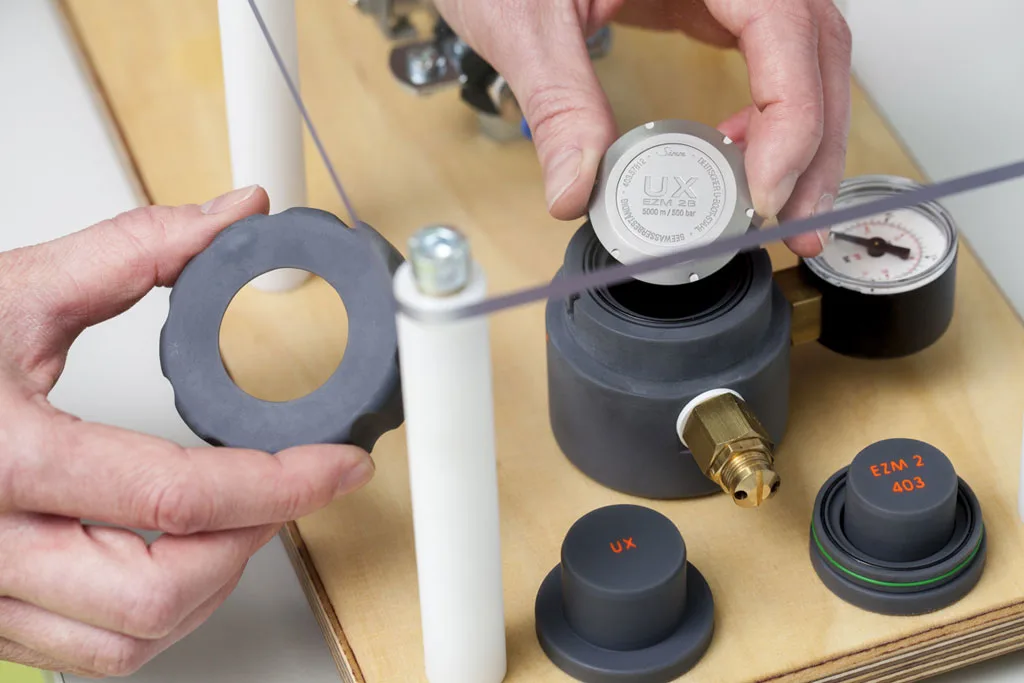
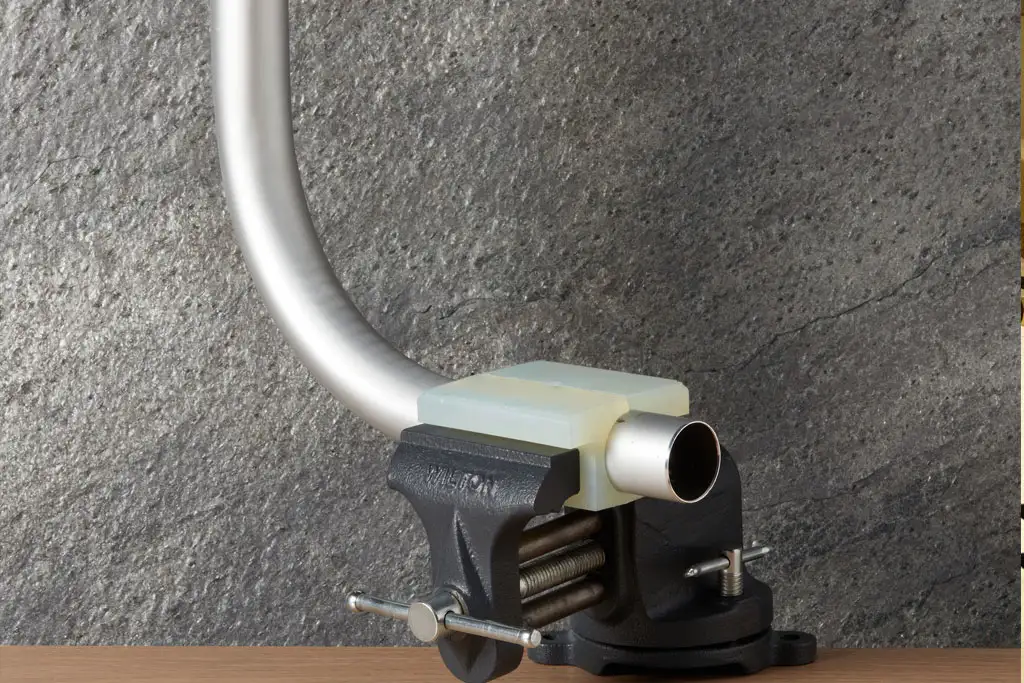
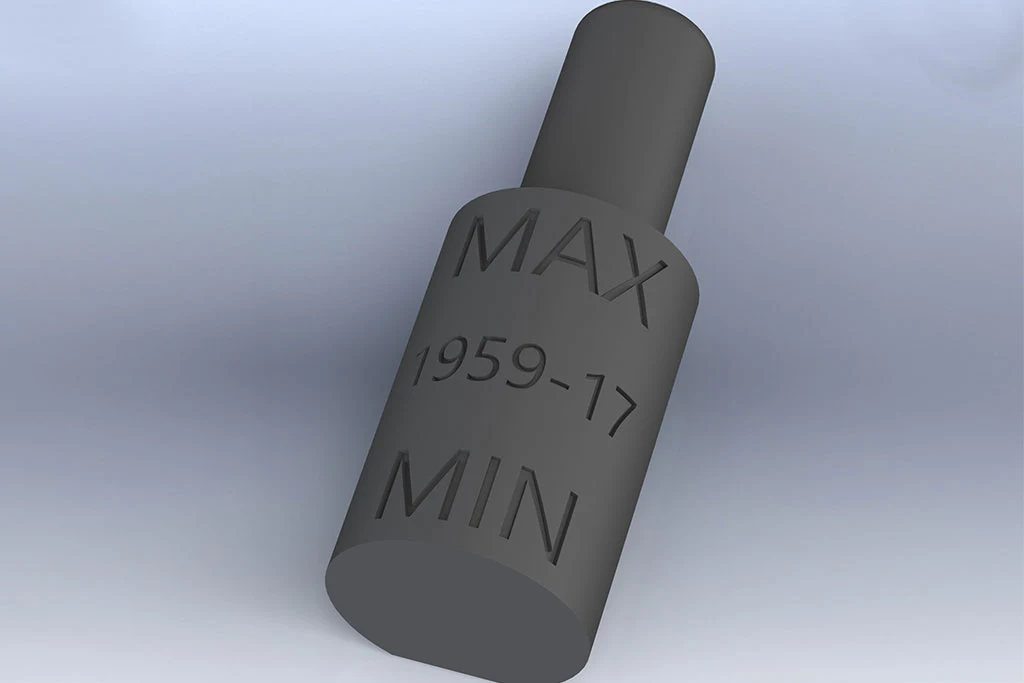
Workholding

Jigs, Fixtures & Soft Jaws

Custom-fit tools that locate and secure a part for machining, welding, or assembly.

Locating

Pins, Locators & Alignment Aids

Repeatable positioning tools that keep a job accurate from the first unit to the thousandth.

Inspection

Gauges & Checking Fixtures

Purpose-built go/no-go tools that verify a part meets tolerance, on the line, without a CMM.

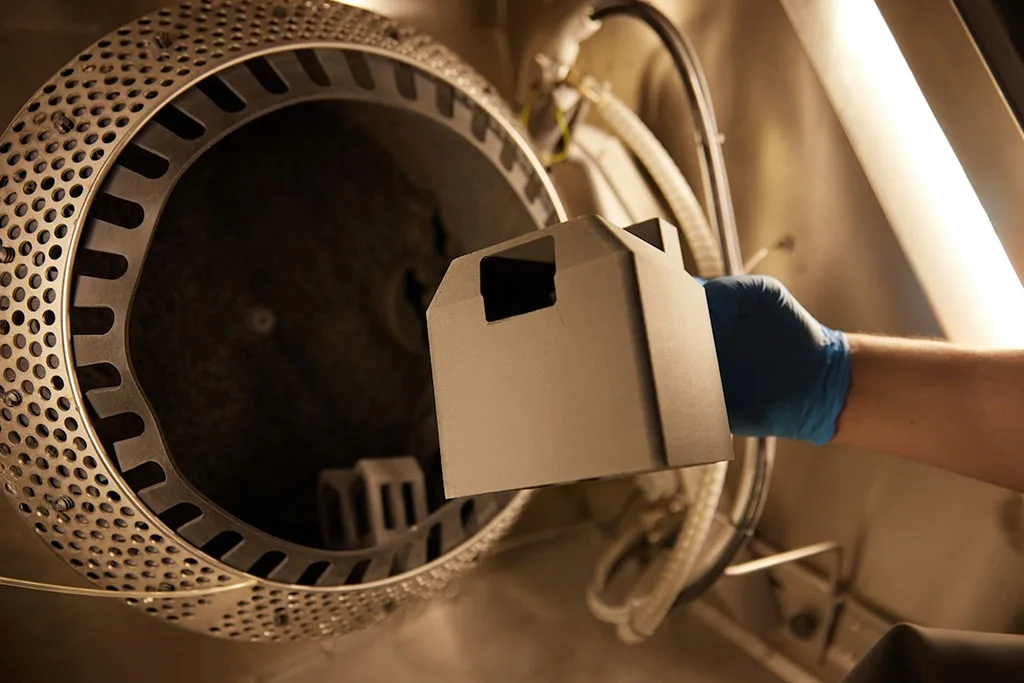
Protection

Guards, Covers & Masking Masters

Shields that protect a sensitive component, or a surface, from an adjacent process.

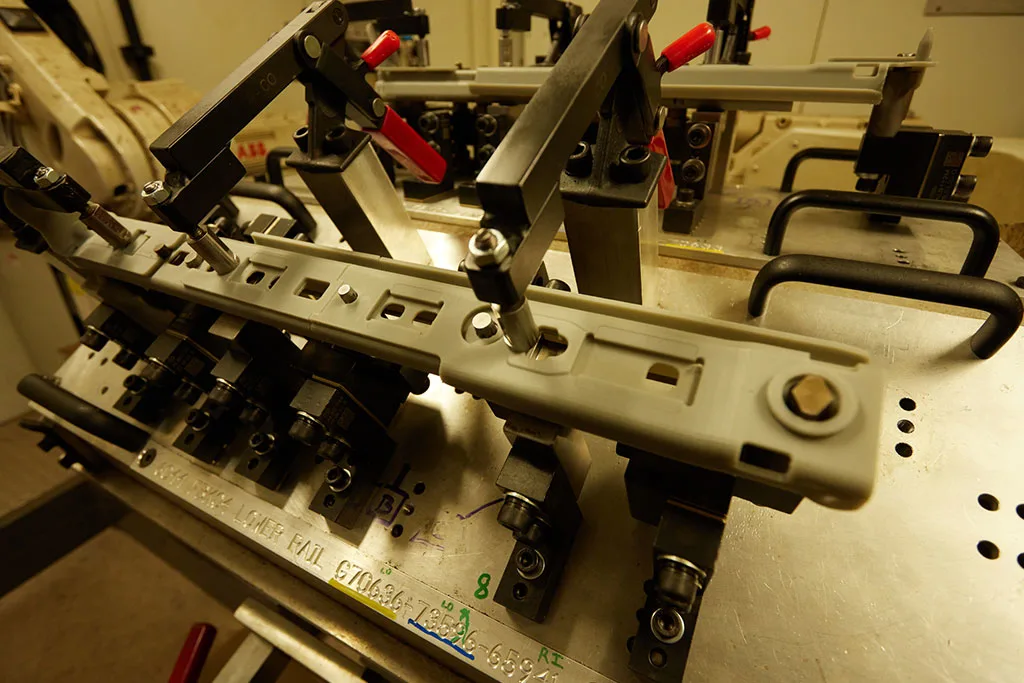
EOAT

Grippers, Brackets & Robot Tooling

End-of-arm tooling and machine components that keep automated lines running.

Handling

Movers, Mounts & Organizers

Custom carriers, holders, and brackets that keep the floor organized and parts moving.

Material recommendations for tooling duty

Form 4’s engineering resin line covers most workholding, EOAT, and inspection tooling needs without stepping outside the LFD print engine’s speed advantage.

Tough 2000 Resin

The default for jigs, fixtures & welding set-up tools that need repeated impact resistance.
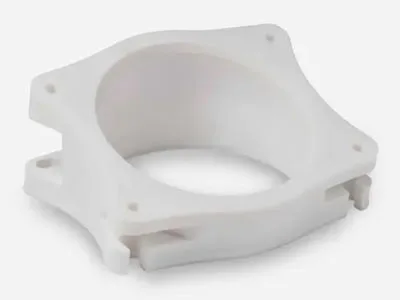
Rigid 10K Resin

High stiffness for locating pins, gauges, and tools that must resist deflection under load.

High Temp Resin

For fixtures near heat sources, thermoforming clamps, or under-hood test rigs.
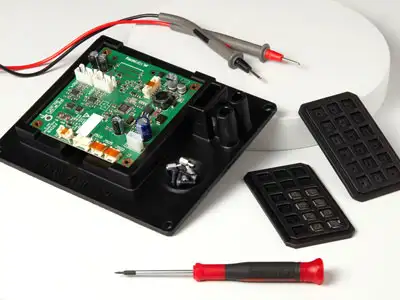
ESD Resin

Static-dissipative tooling for handling sensitive electronics and PCB assemblies.
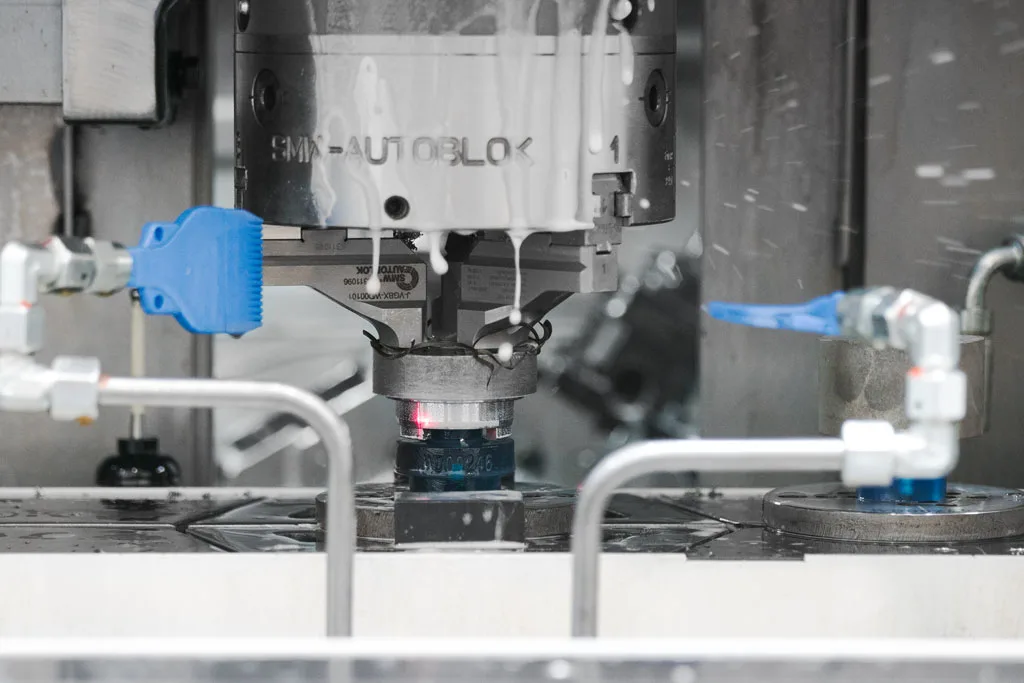
The four-stage in-house workflow

Design or Scan

Model the tool in CAD, or 3D scan an existing part to reverse-engineer a fixture around it.

Print on Form 4

Load the matched resin and print — most tooling parts finish in under two hours.

Wash, Cure & Finish

Automated post-processing brings the part to full mechanical strength, ready for the floor.

Deploy & Archive

Install the tool and save the file to a digital inventory — reprint on demand when it wears.

Four rules for printed tooling that survives the floor

Fixture design has its own logic. These are the principles worth building into every printed jig before it goes into service.

Constrain only what needs constraining

A fixture that locks every possible movement isn't safer — it's harder to build accurately and more likely to fight itself under load. Aim for just enough contact points to locate and hold the part reliably, no more.

Consolidate parts into one print

Where a machined fixture might need three components bolted together, a printed one can often be a single body. Fewer seams means fewer places for debris to collect and fewer failure points.

Add ribs, not bulk

Printed parts get their stiffness from geometry, not mass. Reinforcing ribs and rounded fillets add rigidity in the direction that matters without inflating print time or material cost.

Use threaded inserts, not tapped plastic

Printed threads wear quickly under repeated bolting. Brass threaded inserts or a nut pocket hold up far longer in a jig that gets clamped and unclamped every shift.

Where in-house tooling has already paid off

Manufacturers across automotive, electrical, and precision assembly have replaced machined tooling with printed equivalents for similar reasons.
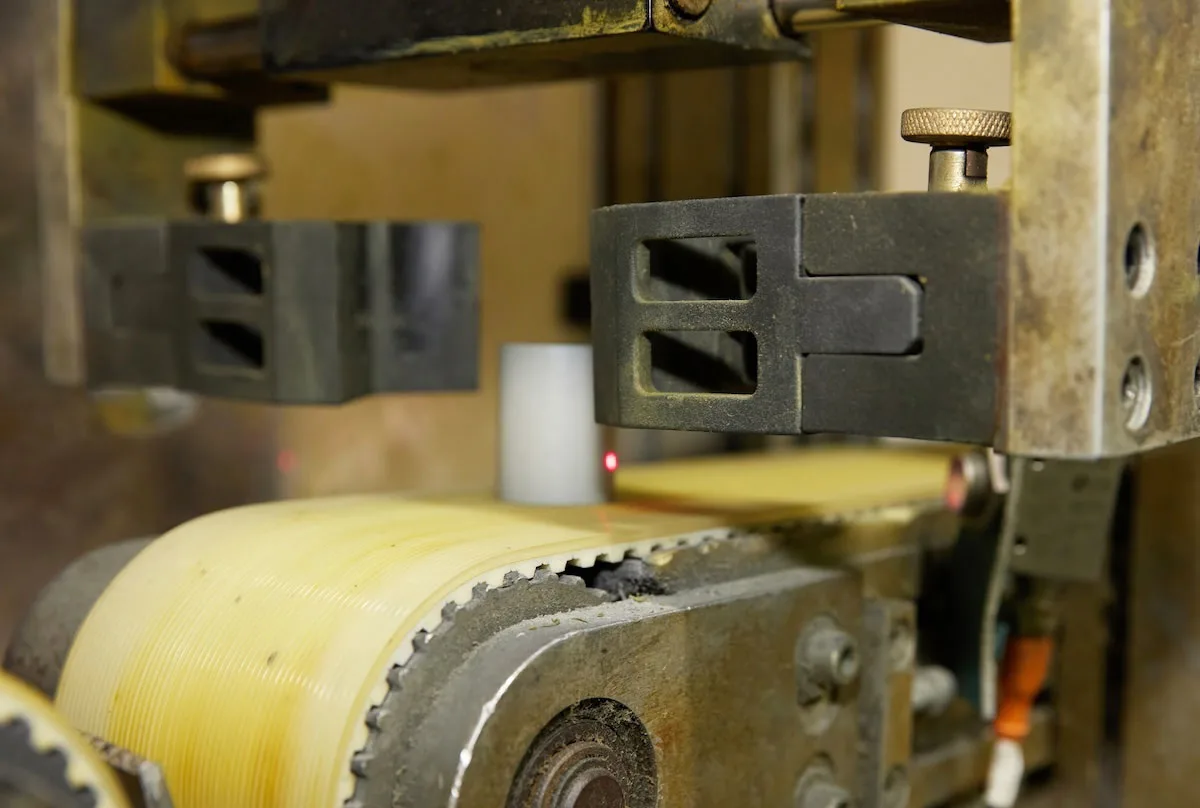
Motorsport Machining

Lathe Jigs, In-House

A gearbox component manufacturer cut jig lead time and cost by roughly 90% moving from outsourced milling to in-house SLA printing.

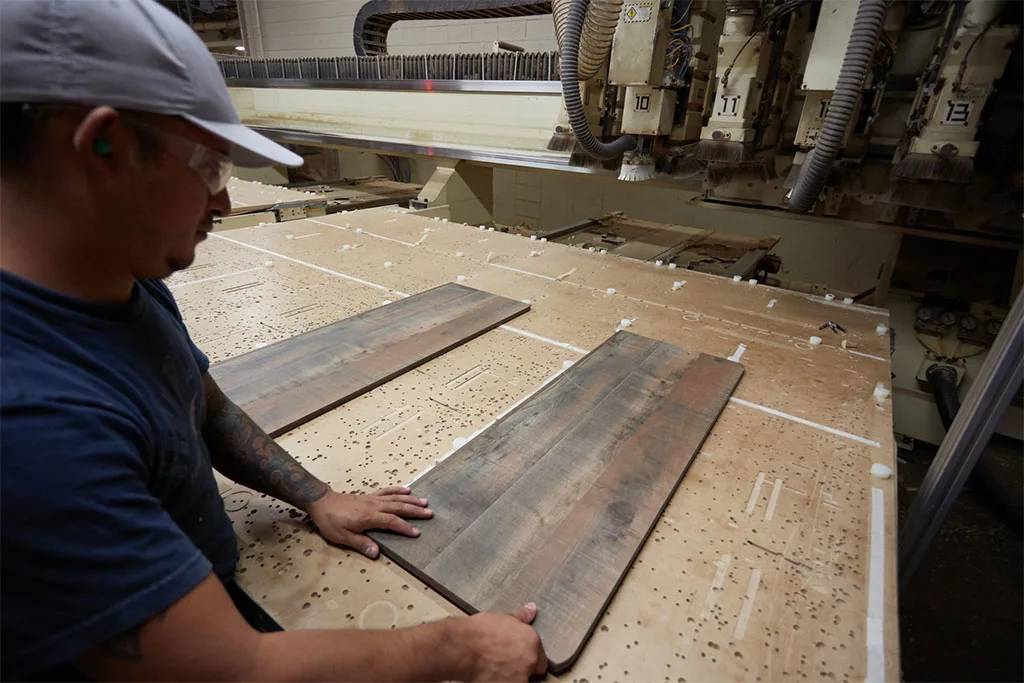
Automotive Welding

Robot Set-Up Fixtures

A weld-line changeover fixture that used to require reprogramming downtime was printed in three hours on a Form Series printer, ready the same shift.

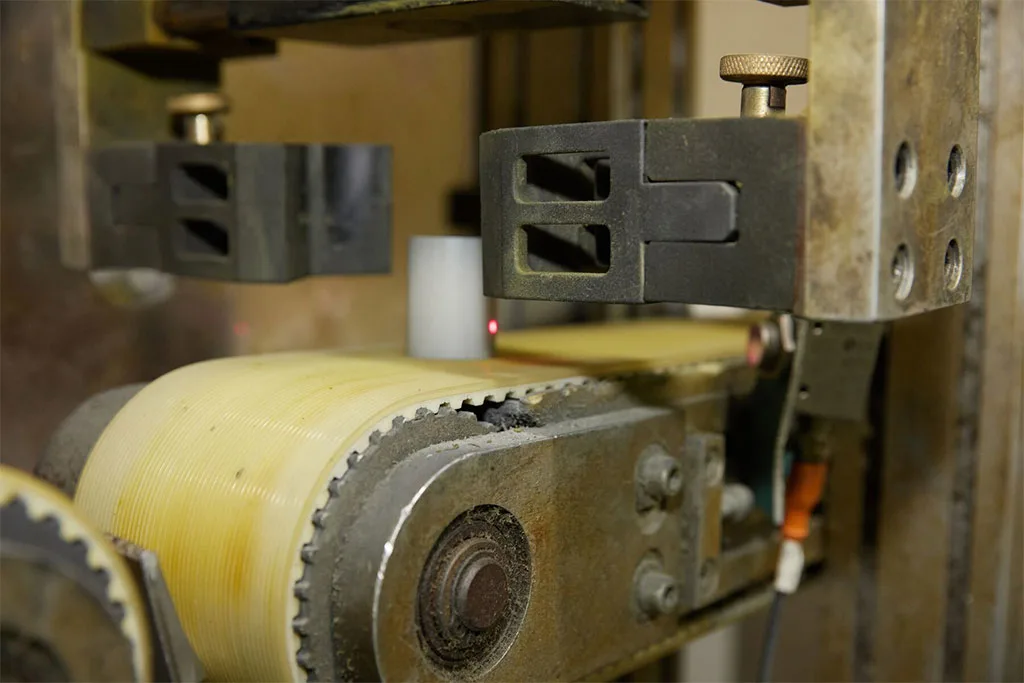
Precision Assembly

Testing Brackets

A precision-instrument maker printed custom testing brackets to hold delicate assemblies securely during functional inspection.

Get the full Manufacturing Aids Whitepaper

Includes the complete design checklist, material selection chart, and a printable ROI worksheet for tooling built in-house on Form 4.

Download the PDF

Send us a jig or fixture drawing and we’ll print a free sample part.
By submitting, you agree to be contacted by Corengg Technologies regarding Formlabs products.

Schedule Your Free Consultation with
Corengg Technologies Today!