
3D printing in automotive The automotive industry is in constant motion, always pushing for new designs, better performance, and smarter manufacturing. For

The automotive industry is in constant motion, always pushing for new designs, better performance, and smarter manufacturing. For decades, traditional manufacturing methods controlled this process. However, a new technology is revolutionizing the field: additive manufacturing in automotive, more commonly known as 3D printing in automotive. This technology allows car companies to speed up product innovation significantly. It changes how they design, test, and produce parts, making the entire process more efficient and agile.
Rapid prototyping is one of the most immediate benefits of 3D printing for automotive firms. Traditionally, creating a prototype of a new car part involved a lengthy and expensive process. Engineers had to create a mold or special tooling, which could take weeks or even months. They would then use this tooling to create the part. If the part needed design changes, they had to start the whole process over again, leading to significant delays and costs.
Intech 3D printers bypass these limitations. They allow engineers to create a physical prototype directly from a digital design file. This process takes only hours or days. If a design needs changes, the engineer can adjust the digital file and print a new version immediately. This quick iteration cycle allows for faster and more frequent testing. The result is a much shorter development timeline. This capability is key to how 3D printing in automotive accelerates prototyping and testing. It helps companies refine their designs faster and bring new products to market more quickly. For example, a car designer can print a scale model of a vehicle’s body to test its aerodynamics in a wind tunnel. They can also print functional parts like an intake manifold to test fluid dynamics.
Traditional manufacturing methods like injection molding and CNC machining have design constraints. They limit the complexity of shapes and the internal structures of parts. This often leads to designs that are not fully optimized for performance. Additive manufacturing completely changes this. It allows for a design flexibility that was previously impossible.
With Intech 3D printers, designers can create complex geometries and integrated parts. They can produce parts with intricate internal channels, like those needed for conformal cooling in molds. This improves performance and efficiency. They can also consolidate multiple parts into a single 3D-printed component, reducing the need for assembly. This makes the final product lighter and stronger. The ability to create complex, high-performance parts is a significant advantage. It allows automotive firms to create innovative components that improve vehicle efficiency and performance.
Reducing vehicle weight is a critical goal for modern car manufacturers. Lighter cars use less fuel or battery power, which improves efficiency. This is a key focus for both internal combustion and electric vehicles. Traditional manufacturing methods often create parts that are heavier than necessary because of design and material limitations.
Lightweight automotive parts 3D printing offers a powerful solution. Additive manufacturing allows engineers to use topology optimization. This is a design process that creates a part with the least amount of material needed to meet its functional requirements. The resulting parts often have unique, organic-looking lattice structures inside. These structures are incredibly strong but also very light. For instance, a 3D-printed bracket can weigh 50% less than a conventional one made from sheet steel, as Volkswagen has demonstrated. This focus on reducing weight with 3D printed automotive components for performance not only enhances vehicle dynamics but also contributes to greater fuel efficiency and longer battery range.
The benefits of 3D printing extend beyond just the car parts themselves. It also improves the manufacturing process on the assembly line. Automotive assembly lines rely on specialized tools like jigs, fixtures, and templates. These tools hold parts in place or guide a robot arm during assembly. They must be very precise.
Traditionally, making these tools was a time-consuming and expensive process. With Intech 3D printers, manufacturers can produce tooling jigs and fixtures quickly and affordably. Tooling jigs automotive 3D printing saves time and money. It also allows engineers to customize tools for specific tasks. They can produce and replace these tools on demand, which reduces downtime and makes the assembly line more efficient. This practice of using 3D printed tooling to fast-track automotive assembly lines leads to significant cost savings and increased productivity.
Customers increasingly demand more personalized products. In the past, offering customized parts was a costly and complex process for car manufacturers. It often required custom tooling and small-batch production runs. This was not a financially viable option for most companies.
With 3D printing, companies can now offer custom automotive parts 3D printing on a wider scale. They can produce unique components for specific customers or low-volume production vehicles. A customer can choose a custom dashboard trim or a personalized gear knob. Intech 3D printers make this process cost-effective. Affordable customization of car parts using 3D printing allows manufacturers to meet consumer demand and create a stronger connection with their customers. It opens up new revenue streams and enhances the customer experience.
The automotive industry has a large environmental footprint. Traditional manufacturing methods often create a lot of material waste. They also have complex supply chains that involve long shipping distances.
In contrast, sustainable 3D printing in automotive is a more eco-friendly option. Additive manufacturing is a “subtractive” process, meaning it only adds material where it is needed, which significantly reduces waste. Companies can also use recycled or eco-friendly materials for printing. Furthermore, 3D printing enables localized production. Manufacturers can print parts on-demand at a local facility. This reduces the need to ship parts around the world. These sustainable manufacturing solutions via automotive 3D printing help firms reduce their environmental impact and create a more responsible supply chain.
3D printing in automotive has moved beyond just simple prototypes. It is now a key part of the modern manufacturing process. It impacts everything from initial design to final production and even aftermarket parts. The technology helps companies innovate faster, create lighter and stronger parts, and customize products for consumers. It is also helping to build a more sustainable future for the industry.
The adoption of additive manufacturing is accelerating. Firms that embrace this technology will gain a competitive advantage. With its ability to produce complex, lightweight, and customized parts, 3D printing is a game-changer. It helps car companies meet the demands of a fast-paced market and drive the next generation of vehicle design.
In conclusion, Intech 3D printers are not just a tool; they are a catalyst for innovation. They offer solutions for rapid prototyping, lightweighting, and flexible design, and they also improve manufacturing efficiency and sustainability. The ability to quickly turn a digital idea into a physical reality empowers automotive firms to stay ahead in a highly competitive market. Corengg Technologies provides these advanced additive manufacturing solutions, helping car companies unlock new levels of speed and innovation.
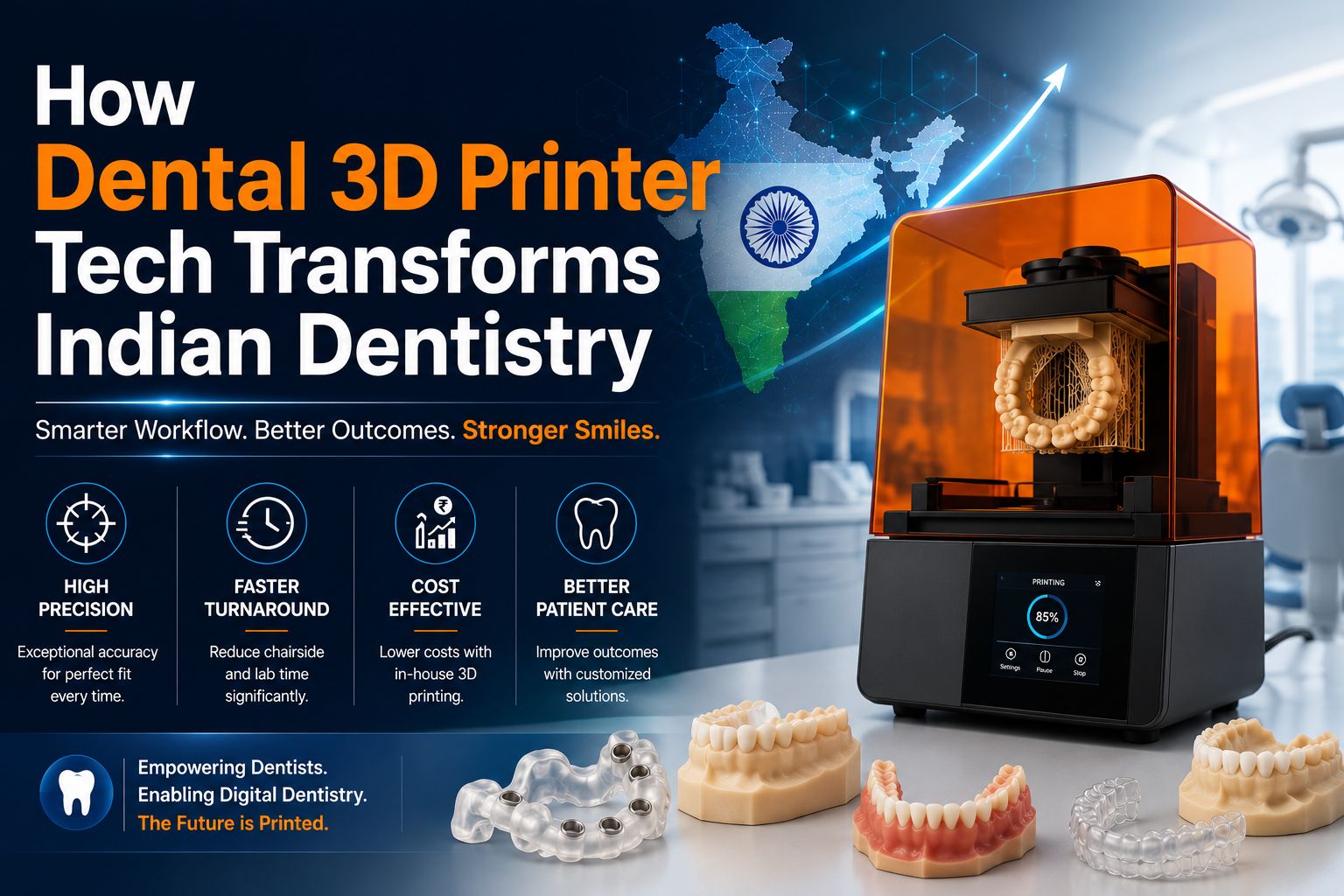
Authorized Formlabs Dental Reseller · India How Dental 3D Printer
Formlabs Printer Reseller India Introduction Modern factories face tight deadlines,
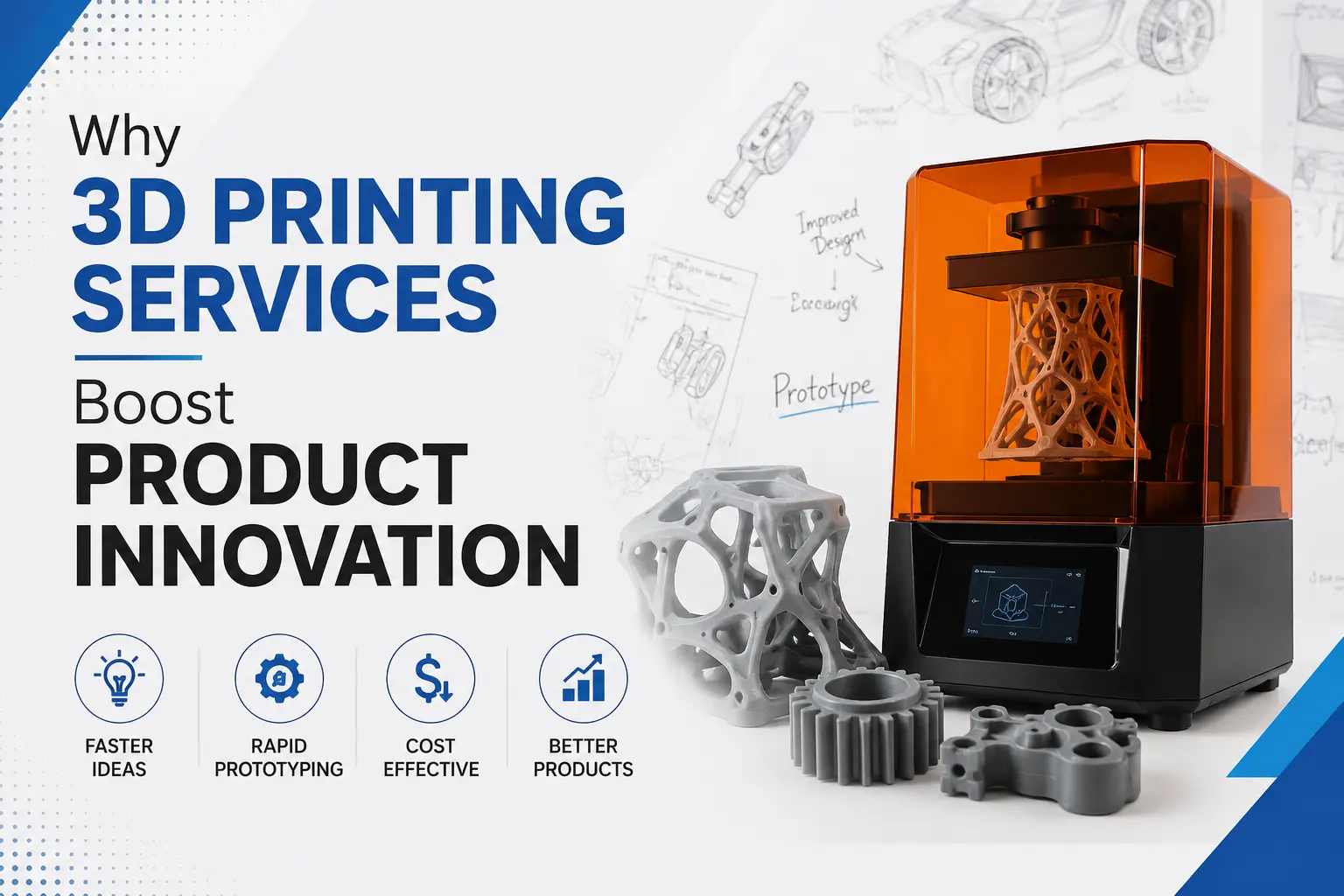
3D Printing Services in Chennai for Product Innovation | Corengg
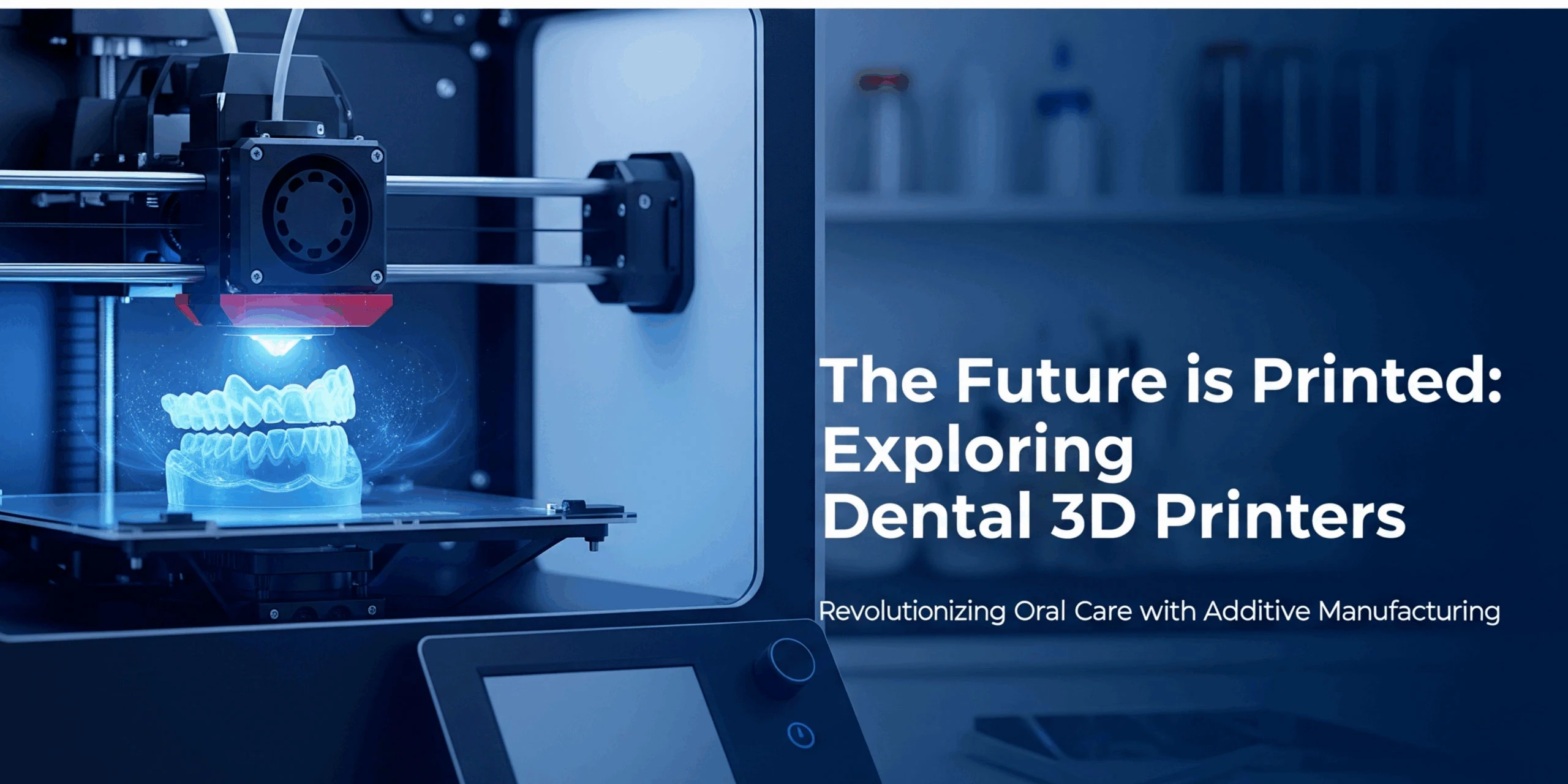
Dental 3D Printer The field of dentistry is changing at
In modern manufacturing, efficiency is crucial. AI-driven design tools, like
Tool Manufacturing Software The tool and die industry demands extreme
