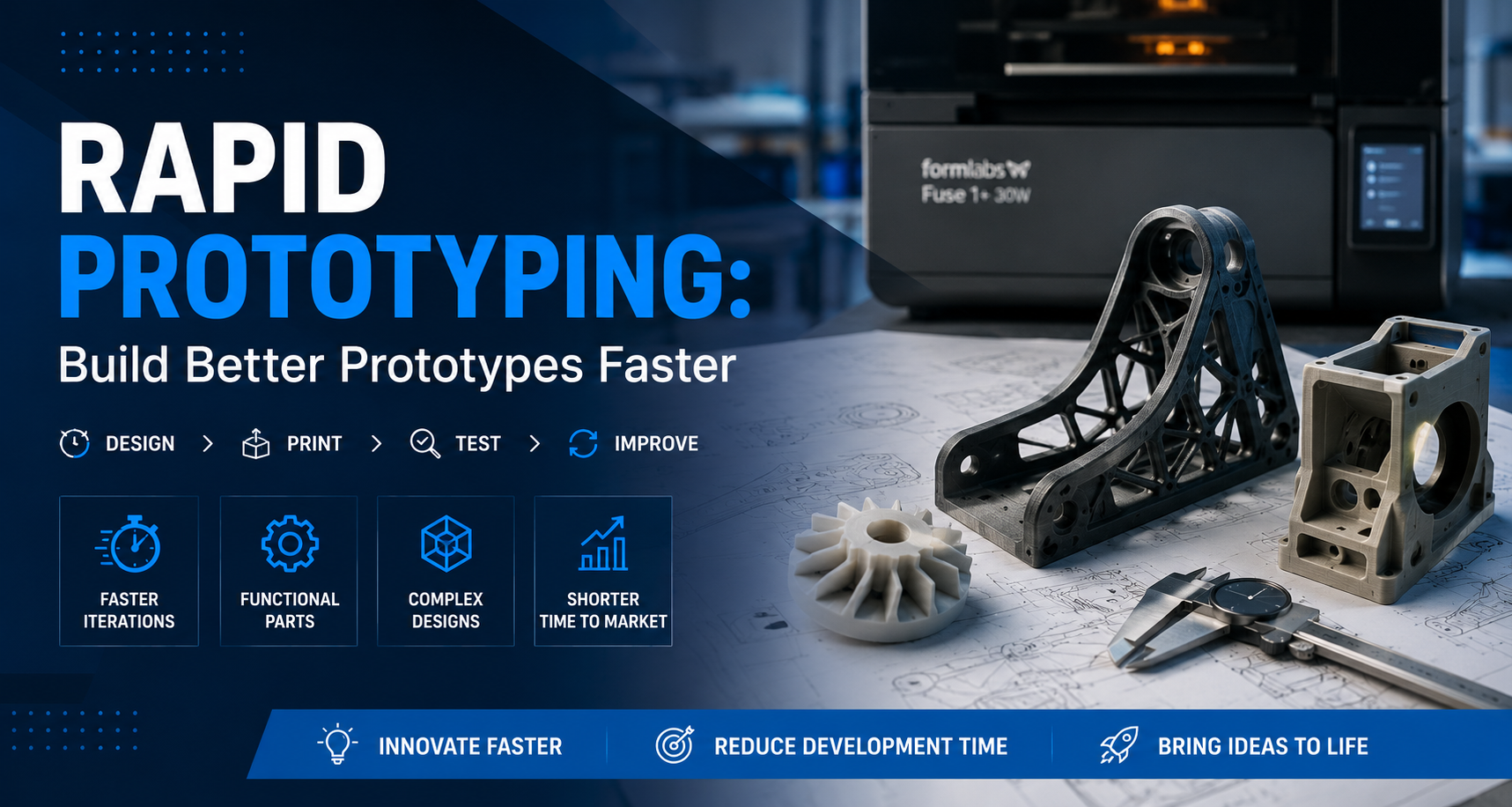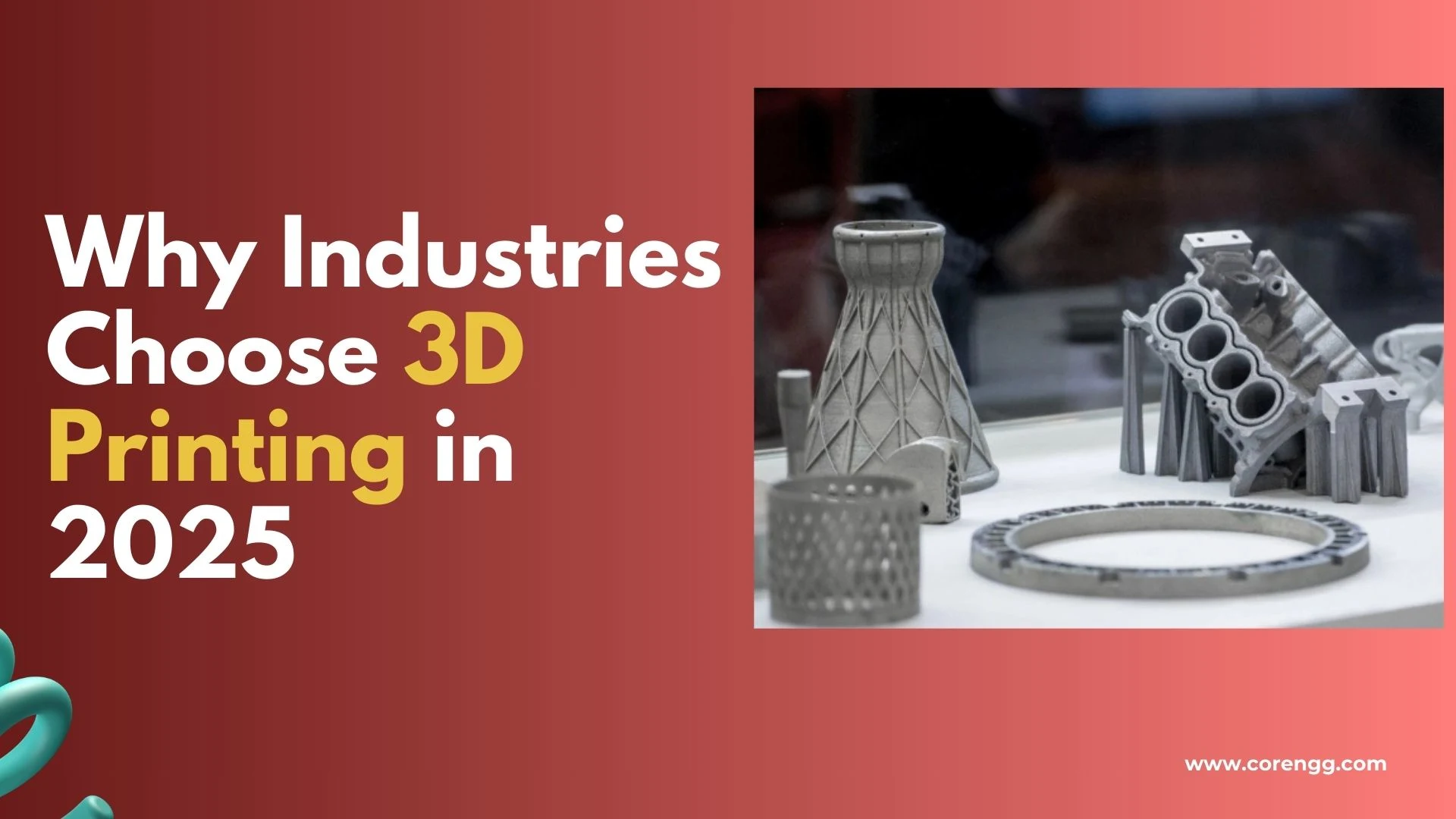
Turn a design file into a physical part in days, not weeks. See how rapid prototyping and additive manufacturing help product teams across Chennai test more, fail cheap, and launch faster.
Product teams face constant pressure to build faster and better. Every new idea needs testing before it reaches the market. This is where 3D Printing Services in Chennai help companies move quicker. They turn digital designs into physical parts within hours, not weeks.
This shift matters for manufacturers, engineers, and product designers across Tamil Nadu. Traditional prototyping methods take too long and cost too much. Additive manufacturing solutions solve this problem by building parts layer by layer, directly from a 3D model. The result is faster testing, lower cost, and more room to experiment.
Product innovation depends on how many ideas a team can test. A team that tests ten designs learns more than a team that tests one. 3D printing makes this kind of testing practical. It removes the wait time that once limited how many ideas a team could explore before launch.
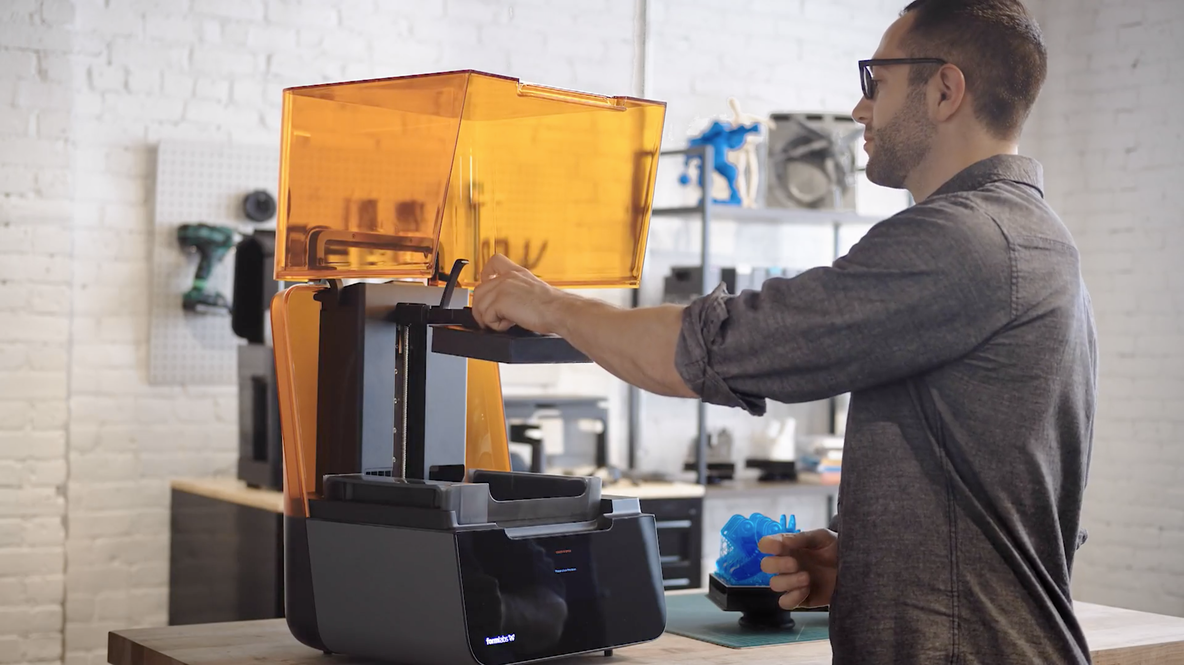
Traditional manufacturing removes material to shape a part. A machine cuts, drills, or molds raw material into the final shape. This process needs tooling, molds, and long setup times.
3D printing for manufacturing works the other way. It adds material layer by layer until the part is complete. There is no need for molds or heavy tooling. This makes the process ideal for small batches, custom parts, and quick design changes.
Engineers can test an idea today and hold the physical part tomorrow. This speed changes how teams approach product development 3D printing. They no longer wait weeks to see if a design works. They print it, test it, and improve it right away.
Rapid Prototyping Services let teams build working models fast. A designer can create a part in a 3D file, send it to print, and hold a physical sample within a day. This speed lets teams catch design flaws early.
Early testing saves money. A flaw found on a screen costs little to fix. The same flaw found after tooling starts costs far more. Rapid prototyping and 3D printing services close this gap. Teams test more ideas, reject weak designs fast, and move only the strong ones forward.
This approach fits every stage of product development. Early sketches become rough models. Rough models become refined prototypes. Refined prototypes become production-ready designs. Each step uses 3D printing to confirm fit, function, and form before spending on full production.
No two products are the same. A medical device needs different materials than a car part. Custom Prototype Manufacturing adapts to each project's needs. Engineers choose the right material, finish, and strength for every part.
This flexibility supports engineering prototype services across many sectors. A single 3D printer can produce a snap-fit enclosure one day and a heat-resistant bracket the next. Teams do not need separate machines or tooling for each design change.
Custom prototype printing Chennai providers work closely with design teams. They review files, suggest print orientations, and recommend materials that match the part's real-world use. This close collaboration reduces failed prints and wasted time.
Not all 3D printing methods are the same. Each technology suits different needs. Understanding these options helps teams pick the right process for their project.
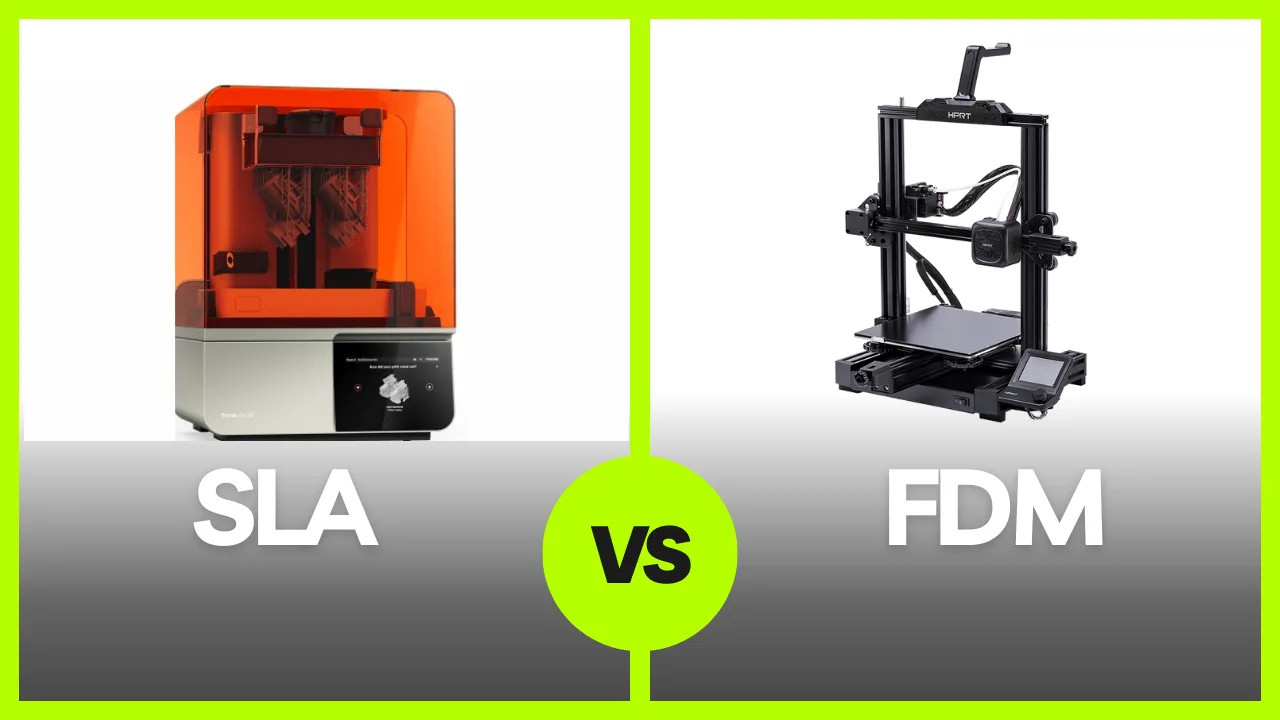
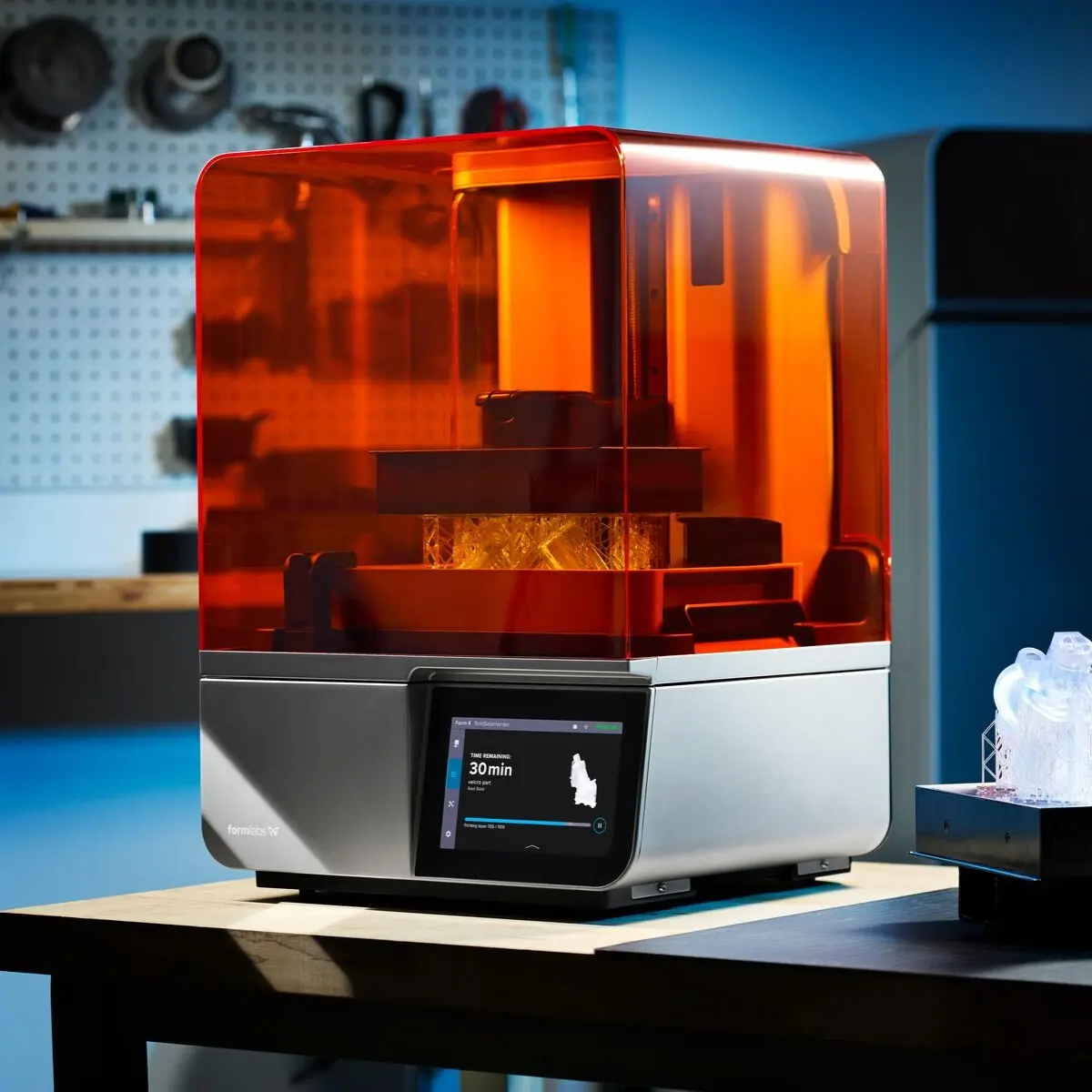
A laser cures liquid resin into solid layers. Produces smooth surfaces and fine detail — ideal for connectors, jewelry molds, and dental models. SLA 3D printing services Chennai providers use this for medical models and display prototypes.
A laser fuses powdered nylon into solid parts with no support structures needed. Suits functional prototypes that must survive stress testing and perform close to final production parts.
Melted plastic filament builds parts layer by layer. The most affordable option for large or simple parts — early concept models, jigs, and fixtures.
Manufacturers across South India now turn to industrial 3D printing services Chennai providers for both prototyping and short production runs. Local access matters. Teams can visit a print facility, review a part in person, and get fast feedback on design changes.
3D printing services Tamil Nadu companies offer support that matches this region's strong manufacturing base. Chennai hosts automotive, electronics, and industrial equipment makers. These sectors need reliable partners who understand tight deadlines and technical requirements.
Additive manufacturing services Chennai providers also help smaller businesses that cannot afford in-house printing equipment. A startup or small design studio can access industrial-grade printers without buying one. This lowers the barrier to entry for new product ideas.
Resin 3D printing Chennai facilities specifically support projects that need high detail, such as medical models, consumer electronics housings, and small mechanical parts. Engineering prototype printing Chennai services handle the full range, from rough concept models to near-final parts.
Sending a design file overseas adds shipping time and customs delays. A part that could arrive in two days from a local provider might take three weeks from abroad. This delay slows down the whole product development cycle.
Affordable 3D printing services in India give teams a cost advantage too. Local labor and material costs stay lower than many overseas options. Companies can prototype more often without stretching their budget.
On-demand 3D printing services also reduce inventory risk. A business does not need to stock spare parts or order in bulk. It prints what it needs, when it needs it. This model suits industries with unpredictable demand or highly customized products.
Industrial prototype printing supports many fields beyond consumer products. Automotive teams print test parts for engine components and interior fittings. Electronics companies print enclosures and housings for new devices. Industrial equipment makers print jigs, fixtures, and replacement parts.
Aerospace 3D printing services demand strict quality control. Parts must meet strength and weight requirements without fail. This industry uses 3D printing to produce lightweight 3D printed components that reduce fuel use without weakening structural integrity. Internal lattice structures cut weight while keeping strength — a design freedom once impossible to machine.
Medical device makers use SLA and SLS printing for surgical guides, prosthetics, and anatomical models needing biocompatible materials and precise tolerances. Electronics companies test housings, buttons, and internal brackets before committing to injection molding.
Picking the right provider affects project speed and quality. Teams should look for a few key factors.
Faster prototyping leads to faster product launches. Companies that test more design variations tend to release stronger final products. They catch weak points before spending on tooling or mass production.
Cost savings add up too. Traditional tooling can cost lakhs of rupees and take weeks to produce. A 3D printed prototype often costs a fraction of that and arrives within days. This savings lets smaller companies compete with larger firms that have bigger budgets.
Custom resin 3D printing services also open doors for niche products. A business making specialized medical tools or custom consumer goods can produce small batches without the high setup costs of traditional manufacturing.
| Factor | Traditional tooling | 3D printing |
|---|---|---|
| Lead time for first part | 2–6 weeks | 1–3 days |
| Cost of a design change | New mold required | Edit file, reprint same week |
| Upfront cost | Can run into lakhs | No mold cost |
| Best suited for | High-volume production | Prototyping and small batches |
This gap in speed and cost explains why so many companies now treat 3D printing as the default first step in product development. Traditional tooling still matters for high-volume production, but it makes sense only after a design is proven.
Access to fast prototyping changes how teams think about risk. When testing a new idea costs little and takes little time, teams try more ideas. Some will fail, but failure becomes cheap and quick to spot. This shift encourages experimentation instead of caution.
Design reviews also improve. A physical model communicates a design better than a screen render. Stakeholders can hold the part, check the fit, and give clear feedback. This clarity speeds up decision-making and reduces costly misunderstandings later in the process.
Teams that adopt this workflow often restructure how they run projects. Instead of one long design phase followed by one round of tooling, they run short cycles. Each cycle ends with a printed part, a review, and a list of changes. This loop repeats until the design is ready for production.
Training also becomes easier with physical prototypes on hand. New engineers can study a real part instead of reading a specification sheet. Sales teams can show a working model to customers before production starts, which helps gather early feedback and secure orders ahead of launch.
Tell us about your part. We'll recommend the right process — SLA, SLS, or FDM — and send a price within 4 business hours.