Rapid Prototyping: Build Better Prototypes Faster With Industrial SLS 3D Printing
How engineering teams can cut prototype turnaround time, reduce outsourcing costs, and produce functional parts in-house with the Formlabs Fuse 1+ 30W.
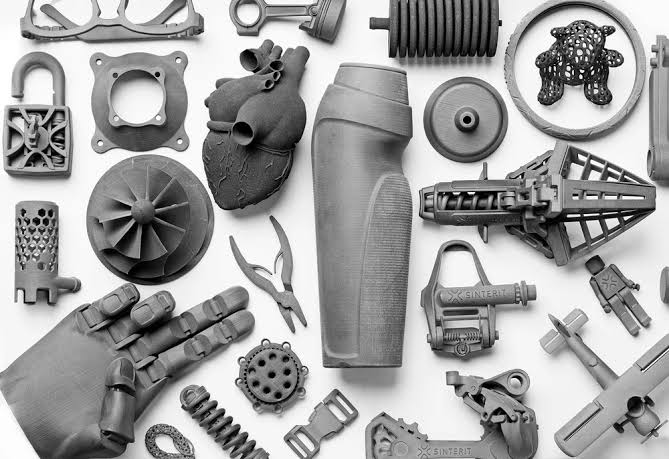
In-house SLS 3D printing lets engineering teams design, print, test, and modify prototypes without waiting on outsourced vendors.
Product development moves quickly. Engineers and manufacturers need to design, test, modify, and validate products without waiting weeks for every prototype. Traditional prototyping methods can make this process slower and more expensive — outsourcing, tooling requirements, machining lead times, and repeated design changes can all delay product launches.
Rapid prototyping offers a faster approach. With modern 3D printing technology, engineering teams can turn digital CAD designs into physical parts, test them, make changes, and produce another version with far less delay. For companies looking for an industrial solution, SLS 3D printing is an effective way to produce functional prototypes and small production runs — and the Formlabs Fuse 1+ 30W brings SLS printing into an accessible, compact industrial system for in-house production.
What Is Rapid Prototyping?
Rapid prototyping is the process of quickly creating physical versions of a product or component to evaluate its design, functionality, fit, and performance. Instead of waiting for traditional manufacturing processes, engineers can use 3D printing to produce a prototype directly from a CAD file.
This iterative process helps product development teams identify problems earlier and improve designs before committing to expensive tooling or full-scale manufacturing. Rapid prototyping is widely used across automotive, aerospace, consumer products, electronics, medical devices, and industrial equipment.
Why Rapid Prototyping Is Important for Product Development
A prototype is more than a physical model — it lets engineers understand how a product will behave in the real world. A digital model may look correct on a computer screen, but physical testing can reveal problems with:
- Fit, size, and assembly
- Ergonomics and product usability
- Mechanical performance and wall thickness
- Moving components and interference between parts
- Installation
Rapid prototyping surfaces these problems earlier, so engineers can make changes before investing heavily in tooling or production.
Challenges With Traditional Prototyping
Traditional prototyping methods can still be useful, but they create real friction when teams need several iterations.
Long Development Cycles
When a prototype is outsourced, engineers wait for production and shipping before testing. A design change means ordering another prototype.
Higher Prototype Costs
Machining, tooling, and external manufacturing get expensive fast when a team needs multiple versions of the same component.
Limited Design Iterations
When every design change adds cost and waiting time, teams reduce the number of prototypes they test — and product quality suffers.
Dependence on Suppliers
Outsourcing means depending on an external supplier's schedule, capacity, and delivery time — outside your team's control.
How 3D Printing Improves Rapid Prototyping
3D printing changes the traditional prototype development workflow. Once the CAD model is ready, engineers can prepare the file for printing and produce a physical component without creating dedicated tooling.
The design–print–test–modify loop replaces the slower outsourced prototyping cycle.
Formlabs describes in-house SLS printing as a way to reduce reliance on external machinists and tooling while enabling on-demand production. For engineering teams, the real advantage isn't simply printing a part — it's the ability to iterate faster.
Why Choose SLS for Rapid Prototyping?
Selective Laser Sintering (SLS) is an additive manufacturing technology that uses a laser to sinter polymer powder into solid parts. Unlike some other 3D printing technologies, SLS does not require dedicated support structures — giving engineers greater design freedom for complex components and assemblies.
- Handles complex geometries with ease
- Produces functional polymer parts, not just visual models
- Good mechanical performance for real-world testing
- No dedicated support structures required
- Production-oriented materials and efficient batch production
- Suitable for both prototypes and end-use parts
Formlabs Fuse 1+ 30W for Rapid Prototyping
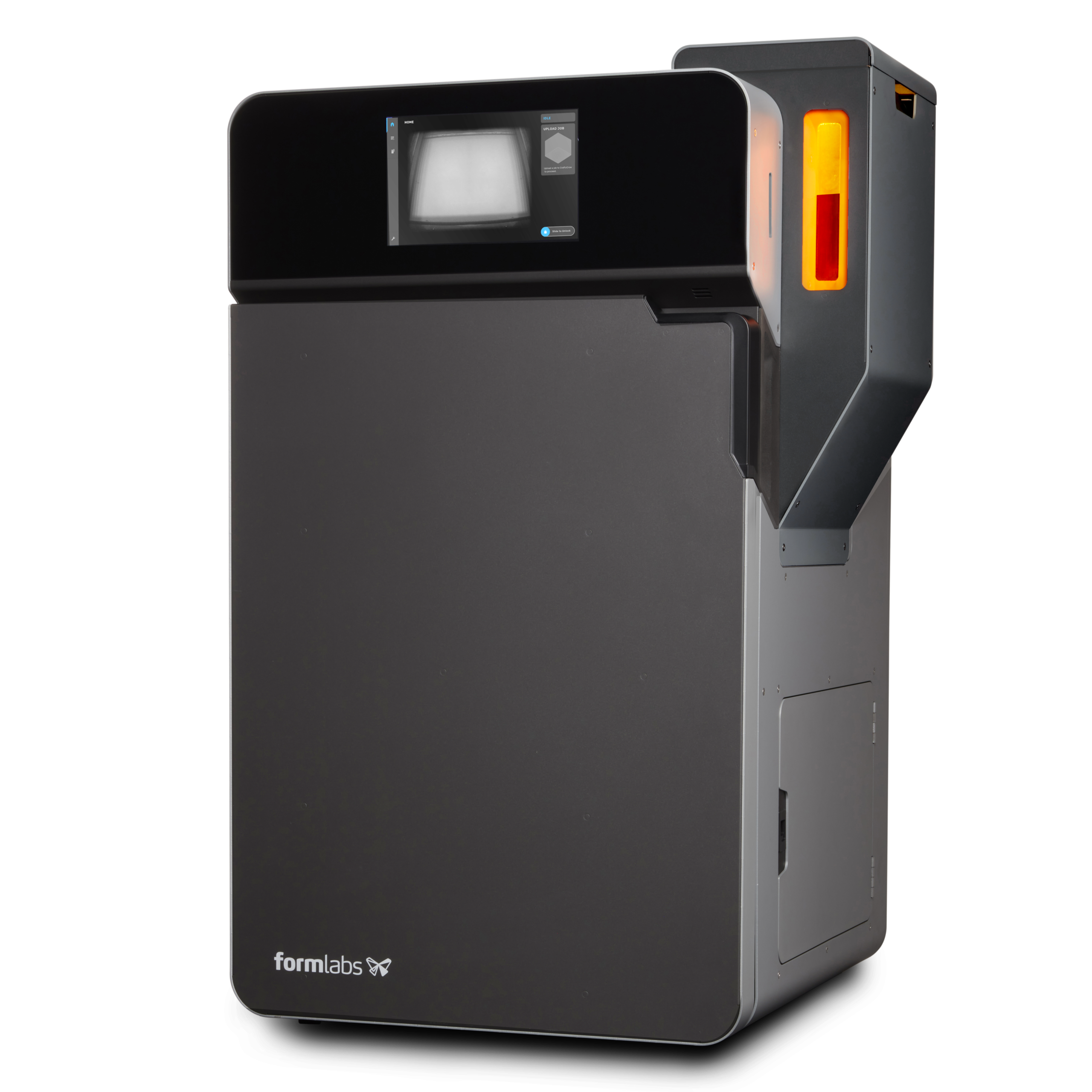
The Formlabs Fuse 1+ 30W is a compact industrial SLS 3D printer designed for companies that want to bring SLS printing in-house. It combines SLS technology with an industrial workflow in a relatively compact footprint — a 165 × 165 × 300 mm build volume powered by a 30W ytterbium fiber laser — suitable for functional prototypes, complex parts, fixtures, and low-volume production components.
Key Benefits of the Fuse 1+ 30W
Bring Prototyping In-House
Produce parts internally instead of sending every prototype to an external service provider, giving your team greater control.
Faster Design Iterations
Identify a problem, modify the CAD design, and print another part the same day — a faster design-test-improve cycle.
Functional Prototypes
SLS produces functional polymer parts suitable for real testing, not just visual representations.
Complex Geometries
Support-free printing enables complex geometries and print-in-place assemblies.
Multiple Materials
The Fuse 1+ 30W supports a range of materials, giving engineering teams flexibility across different prototypes and parts:
See the Fuse 1+ 30W print your own part
Request a free sample part or a live demo built around your application.
Request a DemoWhat Can You Make With a Rapid Prototyping 3D Printer?
An industrial rapid prototyping 3D printer can support many stages of product development:
Functional Prototypes
For fit, form, assembly, and functional testing.
Enclosures & Housings
Complex housings for electronic and industrial products.
Brackets & Mounts
Custom brackets and mounting components for testing.
Jigs & Fixtures
To support manufacturing and assembly processes.
Automotive Components
Evaluate component designs before larger-scale production.
Low-Volume Production
Support smaller quantities where traditional tooling isn't economical.
Rapid Prototyping vs Traditional Prototyping
| Factor | Traditional Prototyping | 3D Printing |
|---|---|---|
| Design changes | Can require new manufacturing | Modify CAD and reprint |
| Tooling | Often required | No dedicated tooling |
| Iterations | Can be slower | Faster |
| Complex geometry | May require multiple processes | Greater design freedom |
| Small quantities | Can be expensive | More practical |
| In-house production | Limited | Possible |
| Product development | Longer cycles possible | Faster iteration |
The exact economics depend on the part, material, quantity, labor, and manufacturing method. However, the ability to iterate designs internally can provide a significant development advantage.
When Should You Consider an Industrial SLS 3D Printer?
An industrial SLS 3D printer can be particularly valuable if your company:
- Regularly outsources prototypes
- Requires multiple design iterations
- Develops mechanical products
- Needs functional prototypes
- Produces complex polymer components
- Develops products continuously
- Needs low-volume production
- Wants greater control over prototype development
- Wants to reduce dependence on external prototype suppliers
If your engineering team frequently waits for prototypes, it may be worth evaluating an in-house rapid prototyping solution.
How In-House Rapid Prototyping Can Improve Product Development
Consider an engineering team developing a new mechanical component.
Traditional Outsourced Workflow
CAD Design → Send Drawing → Supplier Production → Shipping → Testing → Design Change → Send Again
In-House 3D Printing Workflow
CAD Design → Print → Test → Modify CAD → Print Again
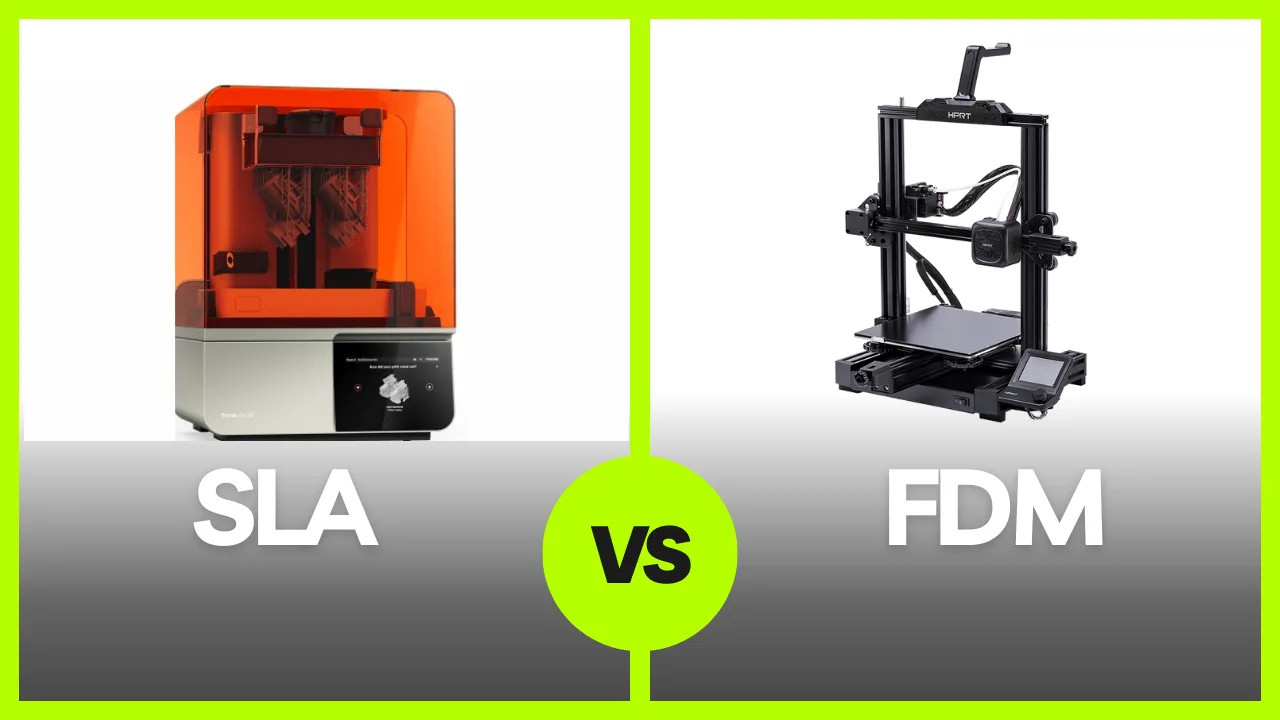
Is SLS Better Than SLA for Rapid Prototyping?
SLA and SLS both have important applications — the right technology depends on your use case.
Choose SLA when you need:
Fine surface details, smooth surfaces, visual prototypes, and high-resolution models.
Choose SLS when you need:
Functional polymer parts, complex geometries, no dedicated support structures, and batch production for functional testing.
For engineering teams that need functional prototypes and complex polymer components, SLS can be a strong option.
How to Choose the Right Rapid Prototyping Machine
Before purchasing a rapid prototyping 3D printer, consider these factors:
- What type of parts do you need? Visual models, functional prototypes, production parts, jigs, fixtures, or a combination.
- What materials do you need? Match material selection to the mechanical and environmental requirements of your application.
- How many parts do you print? Frequent printing makes an in-house machine more valuable.
- What part size do you need? Check the printer's build volume against your typical components — the Fuse 1+ 30W offers 165 × 165 × 300 mm.
- How quickly do you need to iterate? If your process requires frequent testing and redesign, print speed and workflow efficiency matter.
- What is your current outsourcing cost? Calculate prototype, shipping, supplier, and delay costs to evaluate an in-house solution.
Why Choose Formlabs Fuse 1+ 30W?
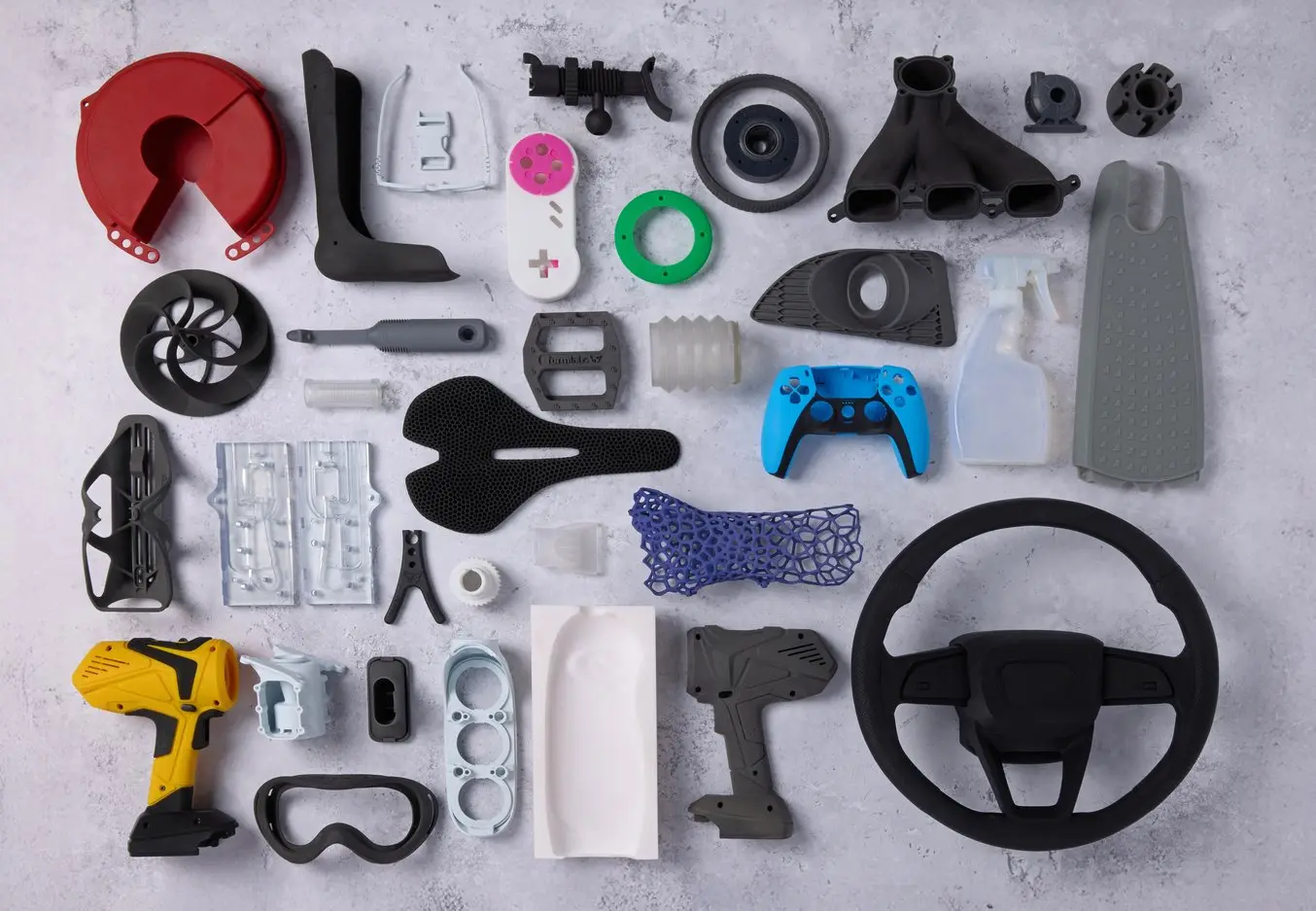
For businesses seeking an industrial rapid prototyping 3D printer, the Fuse 1+ 30W offers a combination of SLS technology, compact hardware, production-oriented materials, and an integrated workflow. Its applications extend beyond simple prototypes to functional parts and low-volume production.
Formlabs currently lists multiple compatible SLS powders for the Fuse 1+ 30W, giving you options for different engineering requirements. It's worth considering when your objective is not simply to create a model, but to test, validate, improve, and produce real parts faster.
Frequently Asked Questions
What is rapid prototyping?
Rapid prototyping is the process of quickly creating physical prototypes from digital designs so engineers can test, evaluate, and improve products before final manufacturing.
Which 3D printing technology is best for rapid prototyping?
It depends on the application. SLS is a strong option for functional polymer prototypes, complex geometries, and applications where support-free printing is beneficial.
What is an SLS 3D printer?
An SLS 3D printer uses a laser to sinter polymer powder layer by layer to create three-dimensional parts, used for rapid prototyping, tooling, and production applications.
Is the Formlabs Fuse 1+ 30W suitable for rapid prototyping?
Yes. Formlabs positions the Fuse 1+ 30W as a compact industrial SLS printer designed for rapid production, including rapid prototyping and end-use parts.
What materials can the Fuse 1+ 30W print?
Nylon 12, Nylon 11, Nylon 12 Tough, Nylon 12 White, Nylon 12 GF, Nylon 11 CF, and TPU 90A.
Can SLS be used for functional prototypes?
Yes. SLS is commonly used for functional polymer prototypes and production parts, and is particularly useful for complex geometries and parts undergoing physical testing.
Why use an in-house 3D printer?
An in-house printer reduces dependence on external suppliers and makes it easier for engineering teams to produce, test, modify, and reproduce prototypes on demand.
How can I get a Fuse 1+ 30W in India?
Contact Corengg Technologies to discuss your rapid prototyping requirements, application, materials, and machine requirements.
Looking for a Rapid Prototyping 3D Printer in India?
Explore the Formlabs Fuse 1+ 30W SLS 3D Printer from Corengg Technologies and discuss your application with our 3D printing team.