
How Dental 3D Printer Tech Transforms Indian Dentistry
A practical look at Formlabs SLA printing, the Form 4B, and how Indian dental labs and clinics are moving surgical guides, aligner models, and dentures in-house.
Dentistry in India is going digital. Clinics and labs now plan treatments on screens instead of paper charts. They also build dental parts with machines instead of hand tools. A dental 3D printer sits at the center of this change. It lets dental teams create precise models, guides, and appliances without waiting for an outside vendor.
This article explains how this technology works. It covers Formlabs printers, pricing in India, and real uses in labs and clinics. It also shows how in-house printing helps practices save time and serve patients faster.
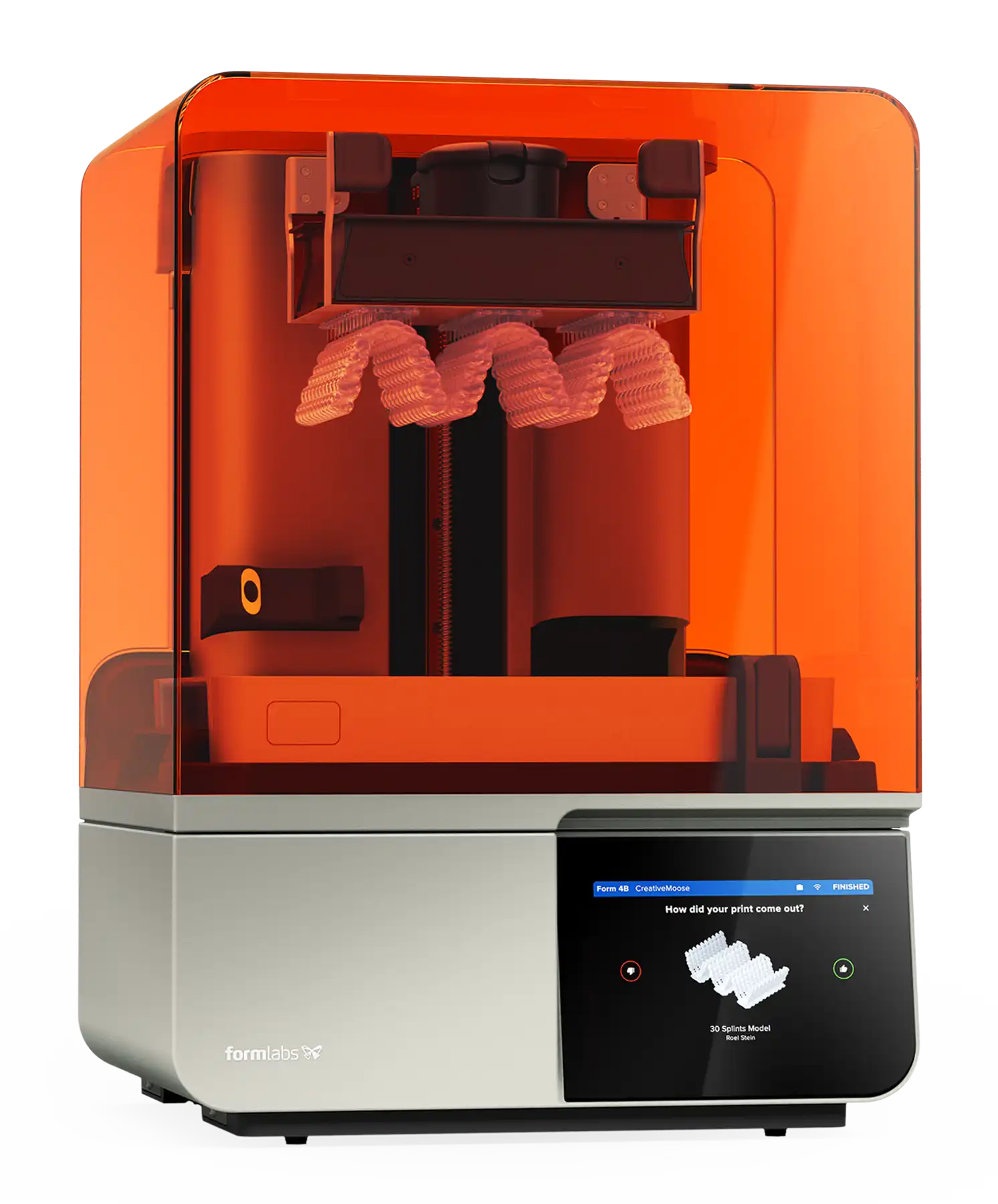
Formlabs Form 4B
India's dental labs and clinics are standardizing on the Form 4B for high-speed, high-accuracy SLA printing — from surgical guides to full-arch aligner models.
What Is a Dental 3D Printer?
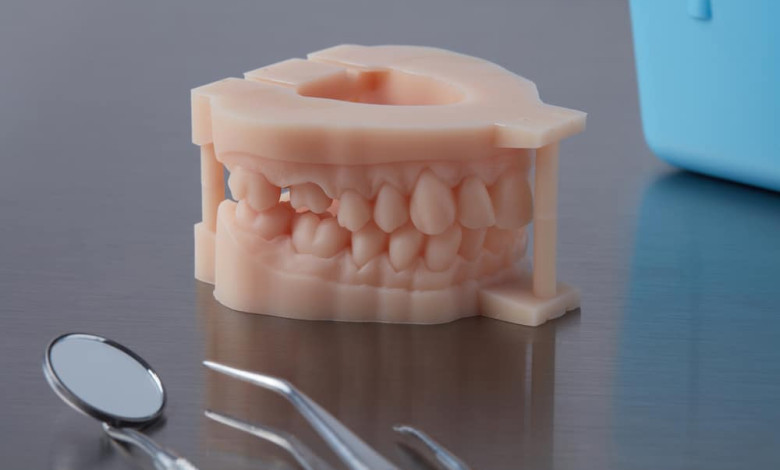
A dental 3D printer builds dental parts layer by layer from a digital file. The process starts with a scan. A dentist uses an intraoral scanner to capture a patient's teeth. Design software then turns that scan into a 3D model. The printer reads this model and prints it in resin.
This method replaces manual impressions and plaster casts. It cuts down on mess and human error. It also speeds up the whole workflow, from scan to finished part.
Dental teams use this technology to print many items. These include study models, surgical guides, aligner models, and denture parts. The result is a faster, more accurate path from diagnosis to treatment.
Digital Dentistry Solutions Are Growing in India
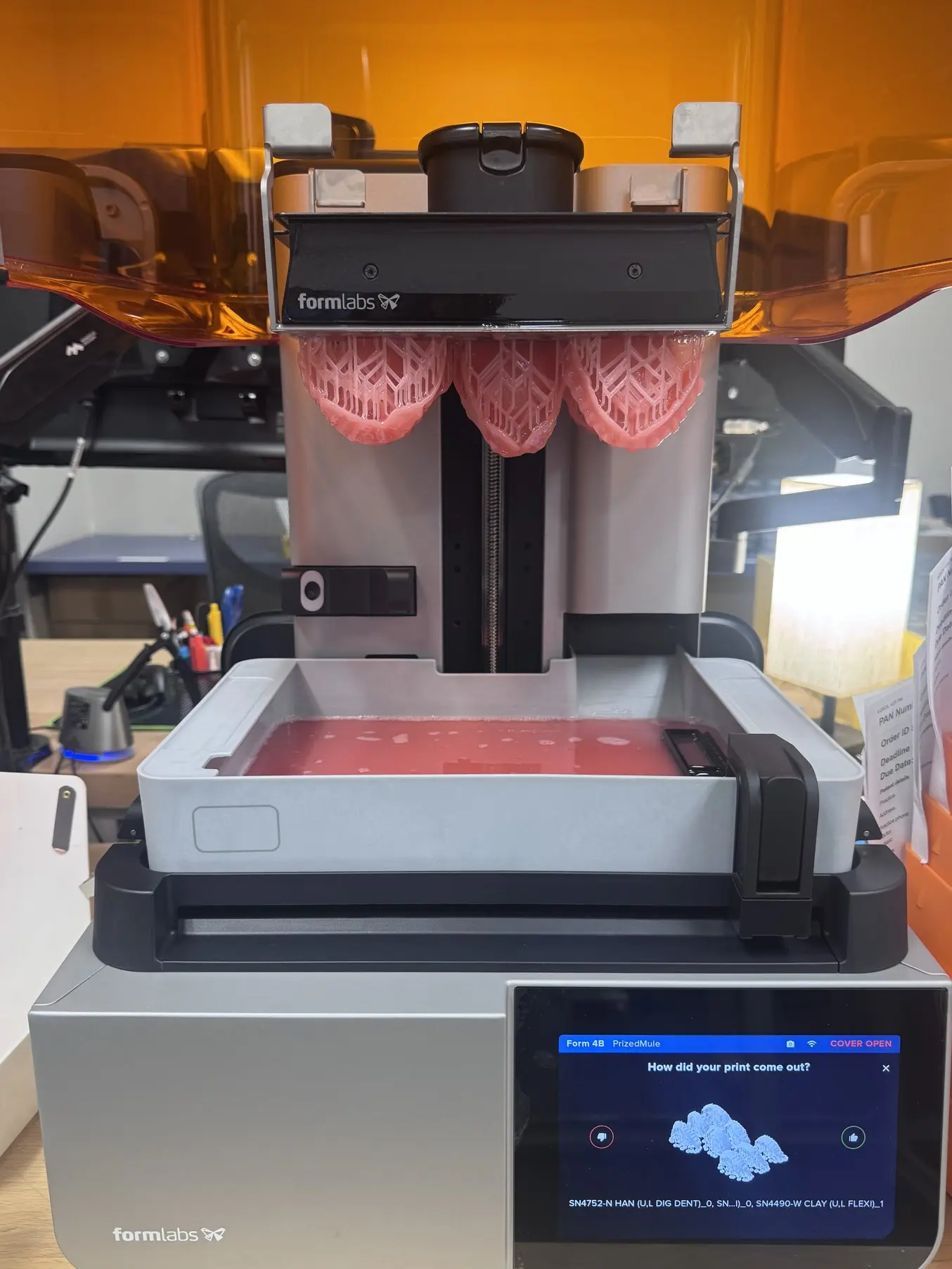
Indian dental practices are adopting digital dentistry solutions at a fast pace. Metro cities like Chennai, Bangalore, Hyderabad, and Pune now have many clinics using digital workflows. Dental labs serve these clinics with scanned models and printed appliances.
Digital dentistry covers more than printing. It includes scanning, design software, and dental CAD CAM systems that connect the whole process. A printer is one part of this larger digital chain. But it is often the part that delivers the biggest time savings, since it removes the need to send work to outside labs.
SLA Technology: The Standard for Dental Printing
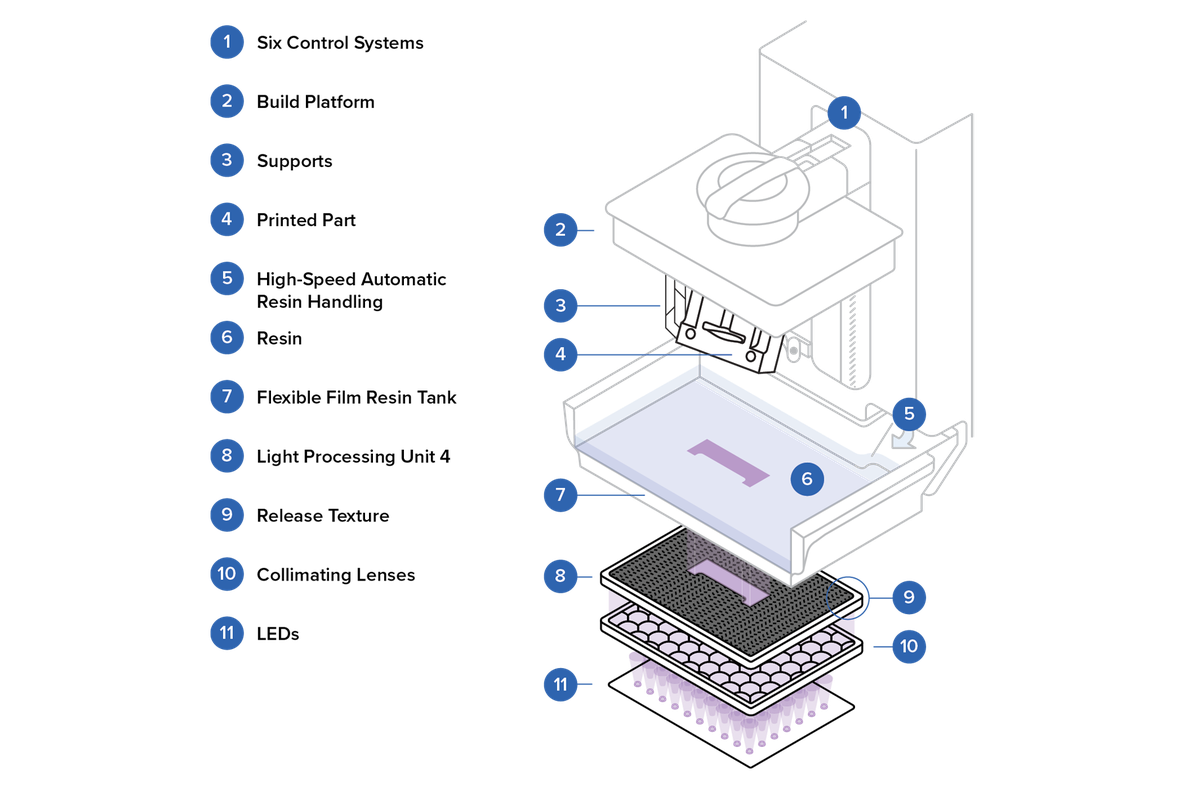
Most professional printers used in dentistry rely on SLA technology. SLA stands for stereolithography. A laser cures liquid resin layer by layer to build a solid part. This method creates smooth surfaces and fine detail, which matters greatly in dental work.
An SLA dental 3D printer produces parts accurate enough for surgical guides and aligner models. Small errors in these parts can affect how well a device fits in a patient's mouth. This is why SLA 3D printing for dentistry has become the trusted choice across Indian labs and clinics, ahead of other 3D printing methods.
Formlabs: A Trusted Name in Dental Printing
Formlabs makes some of the most widely used dental printers in the world. A Formlabs dental printer combines speed, accuracy, and a simple workflow. Formlabs also produces its own line of Formlabs dental resin, built and tested for use inside the mouth and for dental models.
Labs and clinics choose Formlabs because the ecosystem works as one system. The printer, resin, and software are designed to work together. This reduces guesswork and print failures.
Formlabs Form 4B: Features and Price
The Formlabs Form 4B is one of the newest dental printers from the brand. It prints faster than older Formlabs models and handles high case volumes well.
Key features of the Formlabs Form 4B dental 3D printer price and features package include:
- High print speed for busy labs
- Support for many certified dental resin types
- Reliable accuracy across the full print bed
- Easy integration with wash and cure stations
The Formlabs dental 3D printer price depends on the exact configuration, resin package, and any bundled software. Import duties and currency rates can also affect the final cost in India. For an accurate quote, buyers should speak with an authorized Formlabs dental reseller India partner rather than relying on global list prices.
Dental 3D Printer Price in India: What Affects Cost
The dental 3D printer price in India changes based on a few factors. These include the machine's build size, print speed, resin compatibility, and included software license. Basic machines cost less upfront. Professional-grade machines cost more but print faster and hold tighter tolerances.
When you study the dental 3D printer price in India for dental labs, do not look at the upfront cost alone. Running costs matter more over time. Resin price, post-processing equipment, and part replacement all add up. A lower-cost printer with expensive resin can end up costing more per year than a higher-priced machine with efficient material use.
Local support also affects the real cost of ownership. A dental 3D printing machine needs regular calibration and occasional repairs. Working with a nearby, authorized dealer means faster service and genuine spare parts, which protects your investment.
Get an exact, India-specific quote. Pricing depends on your configuration, resin needs, and case volume — talk to our team for a written quote.
Request Price ListChoosing the Best Printer for Your Practice
The best dental 3D printer for one practice may not suit another. Case volume, space, and budget all shape the right choice.
For Dental Labs
A 3D printer for dental lab work must handle high daily volumes. Labs print many models, guides, and appliances every day. They need a large build platform and fast cure times. They also need software that can manage several print jobs at once without slowing down the queue.
A dental 3D printing machine built for lab use should also support batch printing. This lets a lab technician start one large job and walk away, rather than babysitting the printer through the day.
For Dental Clinics
Clinics often need a smaller, simpler dental model 3D printer. Chairside dental 3D printing lets a dentist print a model, a guide, or a temporary restoration while the patient waits in the chair. This cuts down on lab turnaround and allows same-day treatment for many cases.
The best dental 3D printer for dental clinics in India tends to be compact, easy to operate, and quick to switch between resin types. Clinic staff usually handle many roles, so a printer with a simple interface saves training time.
For Orthodontic Practices
Orthodontists depend on a clear aligner model printer to produce accurate tooth models at every treatment stage. These models must match the patient's teeth precisely, since even a small gap changes how an aligner fits.
A professional SLA dental 3D printer for orthodontics prints many aligner stages with steady, repeatable accuracy. This consistency is critical when a lab prints dozens of models for a single patient's treatment plan.
Core Applications Across Indian Dental Practices
Surgical Guides
A dental surgical guide printer creates guides used during implant placement. These guides show the exact angle and depth for drilling. This shortens surgery time and reduces the risk of error during implant procedures.
Dental Models
Dental model 3D printers produce study models, working models, and models used for denture design. Dental model printing gives dentists and labs a physical reference they can check by hand, alongside the digital file.
Clear Aligners
Clear aligner model printers create the tooth models used to shape and check clear aligners at each stage of treatment. More Indian orthodontic practices now use in-house dental 3D printing for this step, since it removes the wait for an outside lab and lowers per-case cost.
Dentures & Provisional Crowns
A professional dental 3D printer also prints denture bases, try-in dentures, and provisional crowns. This reduces how often a clinic must send routine cases to an external lab, which shortens the time a patient waits for treatment.
Benefits of In-House Dental 3D Printing
Moving printing in-house brings clear, practical gains for Indian dental practices.
These gains explain why more dental labs and clinics across India are building a 3D dental printer India setup instead of relying only on outside vendors.
Comparing In-House Printing to Outsourcing
Many Indian dental practices still send work to outside labs. This method has real costs, even if they are not always obvious.
Outsourcing
Outsourcing adds shipping time. A model or guide can take several days to arrive. Patients wait longer for treatment. Outsourcing also removes control over quality. A practice cannot fix a print error until the part arrives and is checked by hand.
In-House Printing
In-house printing changes this. A clinic or lab checks each part right after it prints. If something is off, the team reprints it the same day. This tight feedback loop improves quality over time, since staff learn from each print run.
Cost also shifts with volume. A practice with low case volume may still find outsourcing cheaper at first. But as volume grows, owning equipment becomes the better long-term choice. Most mid-size labs reach this point within the first year of steady use.
What to Look for in a Dental 3D Printing Partner
Buying the equipment is only part of the decision. The reseller behind the equipment matters just as much.
A good partner offers more than a sale. Look for a reseller that provides on-site or remote training, fast access to spare parts, and clear guidance on which resin suits each case type. Ask about response time for service requests, since downtime on a busy day affects patient care directly.
It also helps to work with a reseller that understands the Indian market. Import timelines, service centers, and local pricing all differ from other regions. A reseller with local stock and local support reduces delays when something needs attention.
Getting Started with a Dental 3D Printer
Choose a scanner
Pick one that fits daily workflow.
Choose design software
It should work well with that scanner and with dental CAD CAM tools.
Choose a printer
Match it to expected case volume and material needs.
Staff training matters just as much as the hardware. Team members need to learn safe resin handling, correct print settings, and post-processing steps like washing and curing. A strong reseller partner should offer this training as part of the purchase, not as a separate paid service.
Frequently Asked Questions
Yes, when the practice uses certified dental resins. Formlabs dental resin lines are tested and approved for use inside the mouth and for dental models.
Most desktop dental printers fit on a standard lab bench. A practice also needs room for a wash station and a curing unit nearby.
Yes. Many clinics start with one compact unit and add more as case volume rises. The equipment often pays for itself through lower lab fees and faster case turnaround.
Dental 3D printers are reshaping how Indian dentists and labs work every day. They speed up production, sharpen accuracy, and support full digital dentistry from the first scan to the finished part. Formlabs printers, including the Form 4B, lead this shift with dependable SLA technology and a strong range of certified dental resins.
Any practice exploring in-house dental 3D printing should work with an authorized, experienced partner for guidance on pricing, setup, and training. Corengg Technologies is an authorized Formlabs reseller in India, supplying dental 3D printers, resins, and support to labs and clinics across the country.
Get Your Dental 3D Printer Quote
Tell us about your lab or clinic. We will send the right Formlabs configuration and price for your case volume within 4 business hours.
Our team will contact you within 4 business hours with a tailored dental 3D printer quote. Meanwhile, feel free to WhatsApp us at +91 80560 12395.
Chat on WhatsAppReady to Bring Dental 3D Printing In-House?
Talk to Corengg's Formlabs dental team — right printer, right price, zero guesswork.
WhatsApp Us